


Early warning systems

DESCRIPTION Early warning systems (EWS) are usually key elements of climate change adaptation and disaster risk reduction, and aim to avoid or reduce the damages caused by hazards. To be effective, EWS need to actively involve the people and communities at risk from a range of hazards, facilitate public education and awareness of risks, disseminate […]
Modelling, monitoring and forecasting systems

DESCRIPTION Coping with climate variability and change requires availability of timely and reliable climate information, as well as up-to-date information on the occurrence and severity of extreme events, possible impacts and their duration. Systematic monitoring, remote sensing, modelling and their integration with GIS systems are considered as options to strengthen adaptation planning and implementation. In […]
Dune construction and strengthening
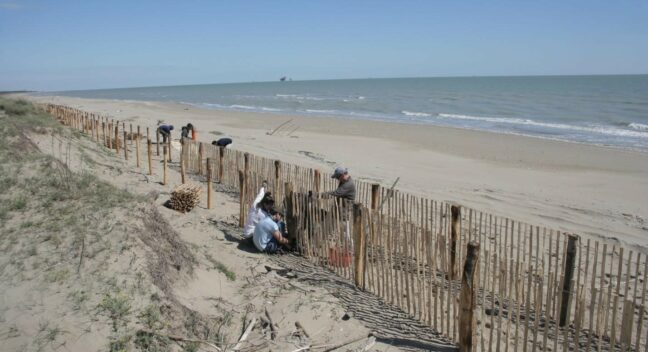
Description Dune erosion results from wind and wave action. It is a natural phenomenon that can be worsened by human activities such as dune levelling to build urban settlements, parking-lots, promenades, etc. This contributes to the deficit of beach sediment needed to overcome periods of intense storms. In addition, eliminating dune vegetation or creating access […]
Community-based management and Adaptive co-management as approach for adaptation
DESCRIPTION Community-based adaptation (CBA) refers to the generation and implementation of locally driven adaptation strategies, according to learning-by-doing and bottom-up approaches (IPPC, Fifth Assessment Report). It is characterised by intensive involvement of stakeholders and vulnerable groups in decision making, design and implementation of adaptation measures. Using a CBA approach implies that adaptation strategies are generated […]
Adaptive management of natural habitats

Description In terms of habitat creation and maintenance, there has been a decreasing trend at the global level over the last 50 years, based on the extent of suitable habitat and biodiversity intactness (IPBES, 2019). Habitat fragmentation and loss, compounded by environmental stressors, such as pollution, the spread of invasive species and overharvest, are lessening […]
Disaster Risk Reduction using eco-system services – Eco-DRR
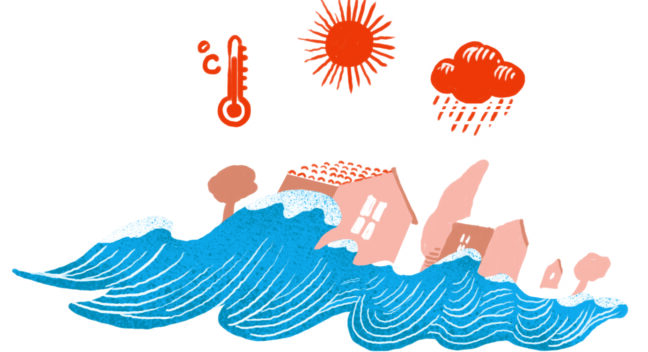
Description Disasters, whether large or small in scale, cause great destruction, as well as human and economic losses, and with that hinder the progress towards sustainable development. According to data of the UN Disaster Risk Reduction Office (UNDRR, 2019), over the past decades the number of disasters has been in constant increase throughout the world, […]