


Adaptation through integrated fire management
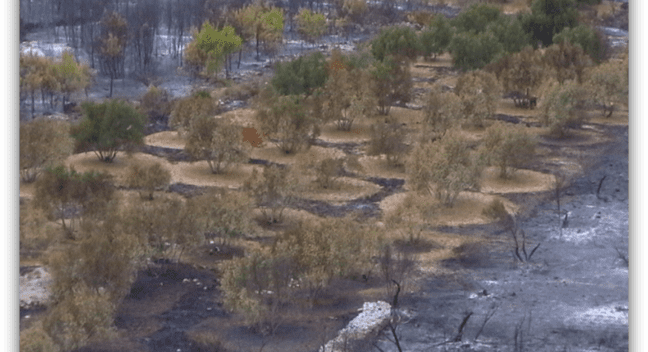
Description Climate change projections (EEA-Indicator Assessment on Forest Fire, 2019) suggest substantial warming and increases in the number of heat waves and droughts across most of the Mediterranean area and more generally in southern Europe. These changes would prolong the duration and worsen the severity of the fire season, further increase the risk areas and […]
Protection and restoration of Posidonia oceanica meadows
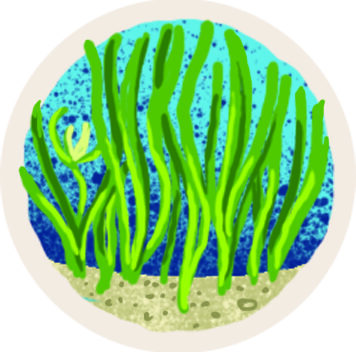
Description In the case of beach/coastal erosion, an important „defence role“ is played by seagrasses. Seagrasses entrap the sediment, stabilize the seafloor and thus, prevent erosion of the coasts. When seagrasses trap the sediment, the bottom gets shallower, and the waves break further away from the shoreline, resulting in less coastal erosion during storms. Seagrasses also slow […]
Green spaces and corridors in urban areas
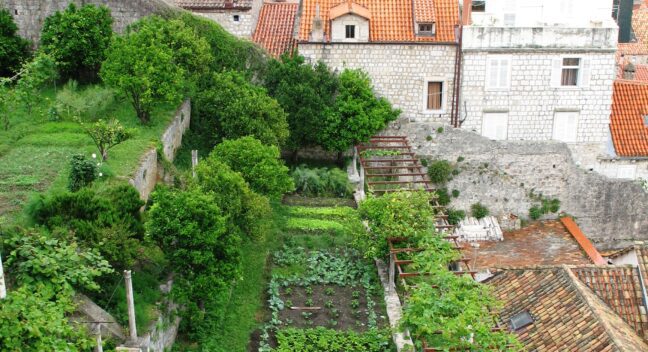
DESCRIPTION Green spaces in cities provide cooling through shading and enhanced evapotranspiration, thus reducing the urban heat island (UHI) effect that occurs due to the modification of land surfaces and generation of waste heat. Green corridors, i.e. long green spaces in the cities and river-valleys which flow among the cities, can change the micro climate […]
Green roofs
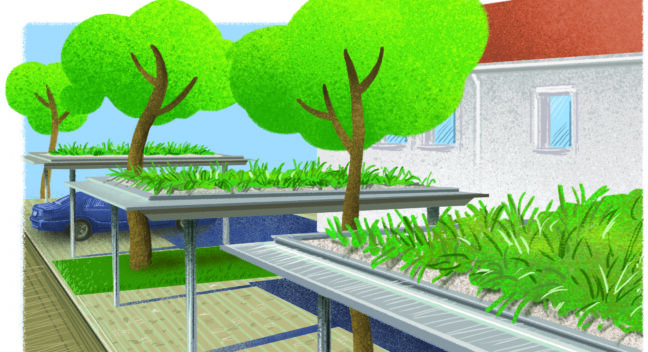
Description Green roofs are multi-layered extensions of a building roof, partially or completely covered with vegetation and a growing medium, planted over a drainage layer. Green roofs serve several purposes for a building and the surrounding environment. Primarily, they slow down storm-water runoff by increasing evapotranspiration that also decreases the air temperature. There are two […]
Climate smart pest management
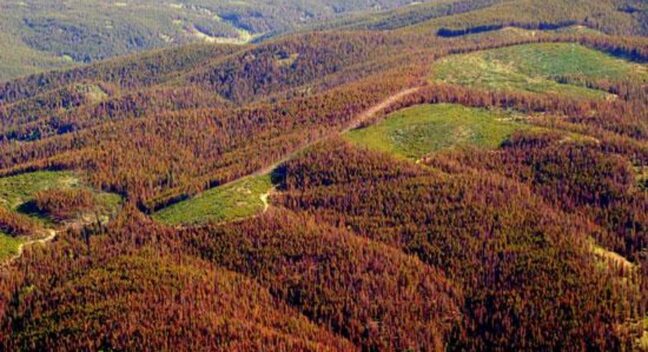
Prepared by: dr.sc. Milan Pernek, Head of the Division for Forest protection and Game Management, Croatian Forest Research Institute Description Mass tree mortality caused by a sudden increase in pest population can have extremely detrimental effects on forest ecosystems, which is reflected in biodiversity loss, lost carbon sinks and severe disturbances in ecosystem functioning. Climate and environmental […]
Climate change adaptation through afforestation
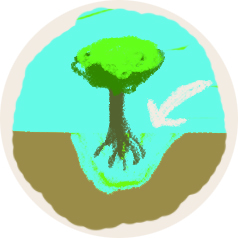
Description Mediterranean forests are one of the world’s biodiversity “hotspots” that carry multiple values of general benefit (FAO, 2011). Nowadays, they are affected by climate change and Mediterranean forest ecosystems are projected to be particularly exposed to the impacts of climate change by 2050 (FAO, 2011). The adverse effects of climate change are reflected in […]
Protection, restoration and management of coastal wetlands
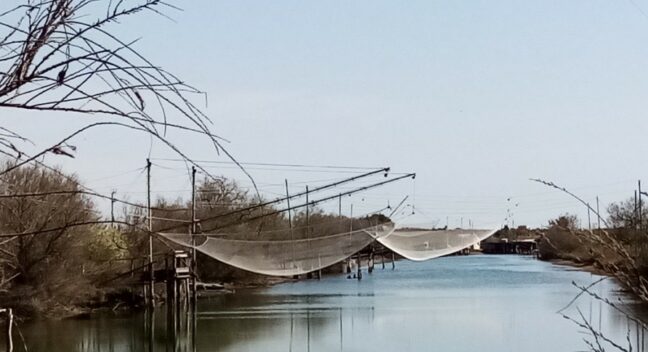
Description Coastal wetlands provide a natural defence against coastal flooding and storm surges primarily by dissipating wave energy. Salt marshes (i.e. coastal wetlands flooded and drained by tides) are the most effective natural coastal habitats to reduce wave heights, along with coral reefs (Seddon et al., 2020). By stabilizing shore sediments coastal wetlands also reduce […]
Dune construction and strengthening
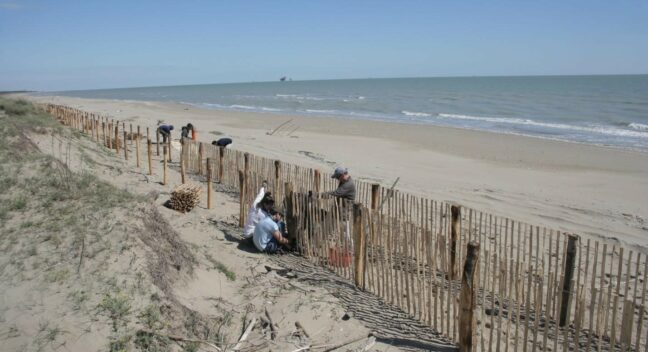
Description Dune erosion results from wind and wave action. It is a natural phenomenon that can be worsened by human activities such as dune levelling to build urban settlements, parking-lots, promenades, etc. This contributes to the deficit of beach sediment needed to overcome periods of intense storms. In addition, eliminating dune vegetation or creating access […]
Marine Protected Areas and Other Effective Area-based Conservation Measures
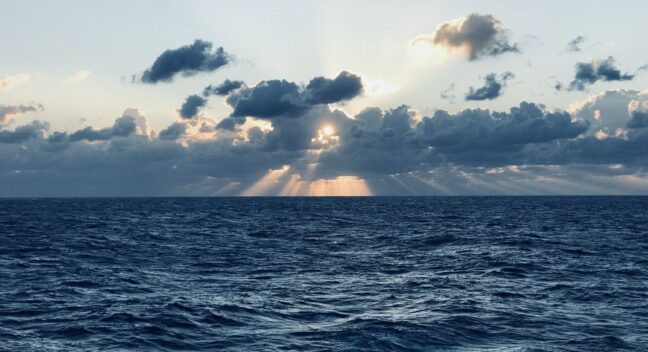
DESCRIPTION IUCN, the International Union for Conservation of Nature, defines Marine Protected Areas (MPAs) as areas of the ocean set aside for long-term conservation of nature, with associated ecosystem services and cultural values. The most protective marine reserves prohibit all access except for scientific research, but in many other cases human presence is allowed, including, […]
Adaptive management of natural habitats

Description In terms of habitat creation and maintenance, there has been a decreasing trend at the global level over the last 50 years, based on the extent of suitable habitat and biodiversity intactness (IPBES, 2019). Habitat fragmentation and loss, compounded by environmental stressors, such as pollution, the spread of invasive species and overharvest, are lessening […]