


Coastal setback zones
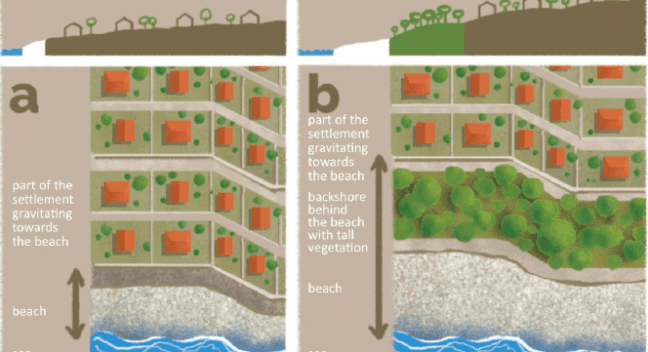
Description A coastal setback zone is a buffer area where certain or all types of development are prohibited or significantly restricted. A setback zone is usually defined by a specific distance from the shoreline, where the shoreline is often featured by the highest water mark or permanent vegetation line. The main functions of the coastal […]
Raising and extending coastal land
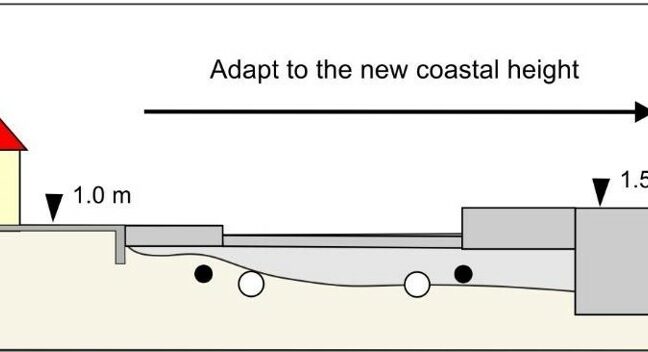
Description For centuries, coastal communities have used rocks and soil to extend and raise coastal land to gain additional space for living, but also as defence against sea storms and flooding. In more recent times, filling of wetland areas and near-shore areas below the high-tide level to build new urban or industrial sites has become […]
Managed retreat
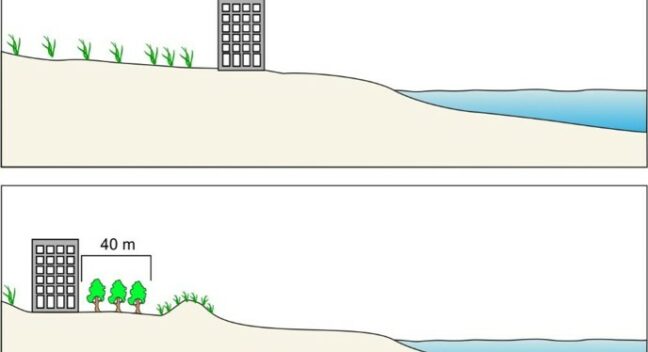
Description The rising seas are nowadays our reality. As sea levels rise, lower coasts are at risk of inundation, coastal storms occur more often, and coastal erosion and seawater intrusion are on the rise. Storms and cyclones that occur in the Mediterranean Sea have already had an occasional impact on our coasts. With the rising […]
Reduction of soil consumption and surface unsealing in urban areas
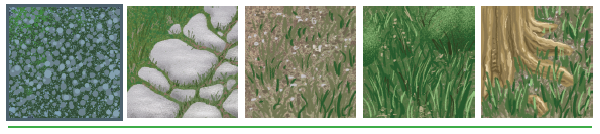
Description Urbanization is transforming land formerly used by agriculture or as a natural area into artificial and sealed surfaces. The impermeabilisation of surfaces, as a consequence of increasing urbanization, leads to loss of essential surfaces for rain water infiltration. The climate change brings the increase of extreme weather events including heavy rains. As a consequence, […]
Adaptation through integrated fire management
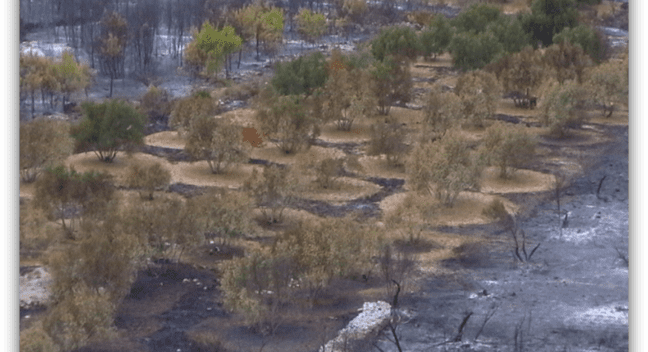
Description Climate change projections (EEA-Indicator Assessment on Forest Fire, 2019) suggest substantial warming and increases in the number of heat waves and droughts across most of the Mediterranean area and more generally in southern Europe. These changes would prolong the duration and worsen the severity of the fire season, further increase the risk areas and […]
Green spaces and corridors in urban areas
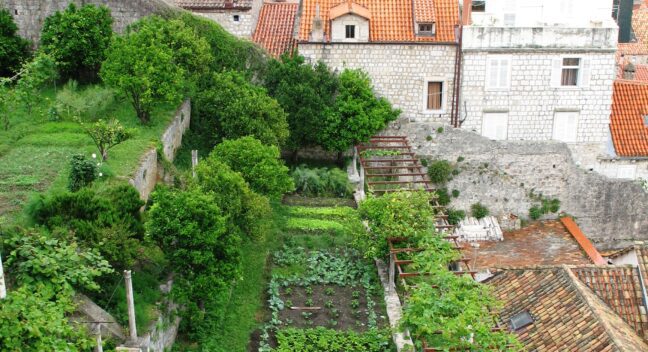
DESCRIPTION Green spaces in cities provide cooling through shading and enhanced evapotranspiration, thus reducing the urban heat island (UHI) effect that occurs due to the modification of land surfaces and generation of waste heat. Green corridors, i.e. long green spaces in the cities and river-valleys which flow among the cities, can change the micro climate […]
Measures to reduce urban runoff
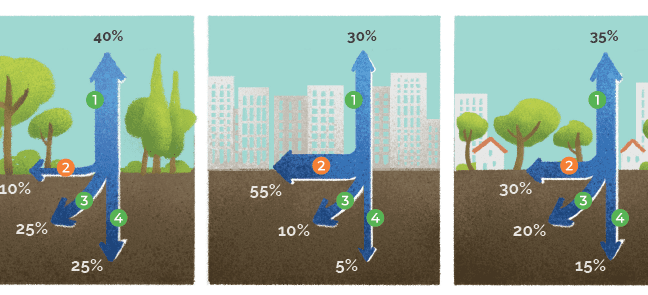
Description Extreme precipitation events are the climatic drivers of urban runoff and urban flooding, and are expected to increase in the future due to climate change. Urban runoff does not only depend on the intensity of rainfall events but also on the degree of soil permeability. In the natural environments the meteoric waters are washed […]
Climate proofing of building codes
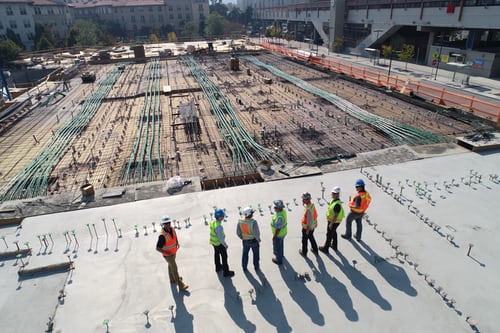
Photo by Scott Blake Description The building sector is challenged by a number of climate change impacts, including increase in temperature, higher frequency and magnitude of extreme weather events and sea level rise. Rising temperatures and extended heatwave periods can increase urban heat islands, internal and external thermal discomforts and the demand for energy […]
Protection, restoration and management of coastal wetlands
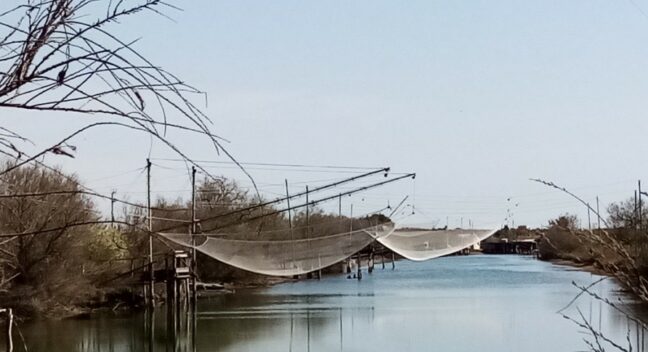
Description Coastal wetlands provide a natural defence against coastal flooding and storm surges primarily by dissipating wave energy. Salt marshes (i.e. coastal wetlands flooded and drained by tides) are the most effective natural coastal habitats to reduce wave heights, along with coral reefs (Seddon et al., 2020). By stabilizing shore sediments coastal wetlands also reduce […]
Marine Protected Areas and Other Effective Area-based Conservation Measures
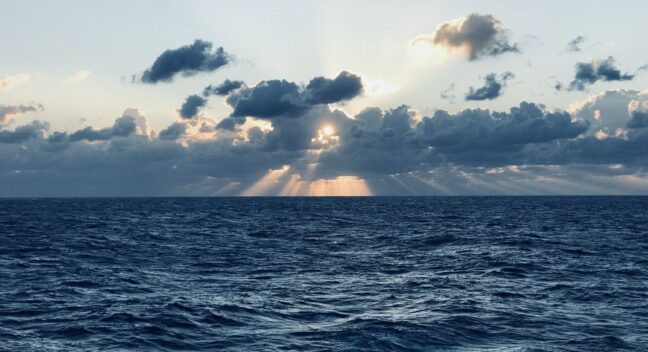
DESCRIPTION IUCN, the International Union for Conservation of Nature, defines Marine Protected Areas (MPAs) as areas of the ocean set aside for long-term conservation of nature, with associated ecosystem services and cultural values. The most protective marine reserves prohibit all access except for scientific research, but in many other cases human presence is allowed, including, […]