


Adaptation through integrated fire management
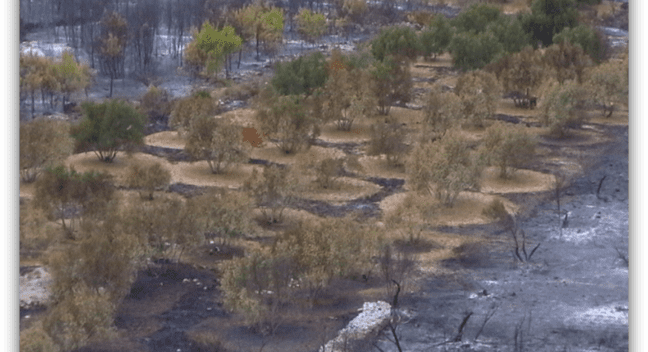
Description Climate change projections (EEA-Indicator Assessment on Forest Fire, 2019) suggest substantial warming and increases in the number of heat waves and droughts across most of the Mediterranean area and more generally in southern Europe. These changes would prolong the duration and worsen the severity of the fire season, further increase the risk areas and […]
Adaptation through integrated land-use planning

Description Integrated land-use planning involves the allocation of land for different uses balancing economic, social and environmental values at national or sub-national levels. It is the process of supporting decision makers and land users in selecting the best combination of land uses to meet multiple needs of people, while safeguarding natural resources and ecosystem services. […]
Climate smart pest management
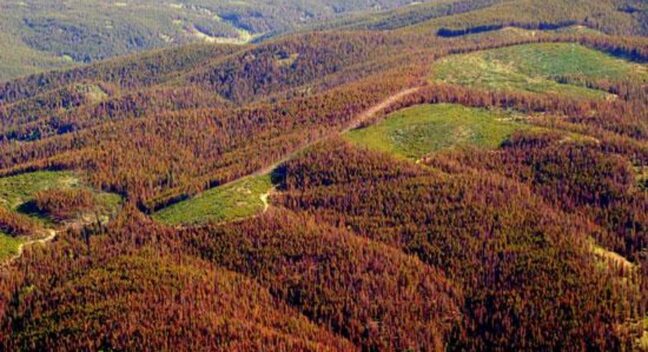
Prepared by: dr.sc. Milan Pernek, Head of the Division for Forest protection and Game Management, Croatian Forest Research Institute Description Mass tree mortality caused by a sudden increase in pest population can have extremely detrimental effects on forest ecosystems, which is reflected in biodiversity loss, lost carbon sinks and severe disturbances in ecosystem functioning. Climate and environmental […]
Climate change adaptation through afforestation

Description Mediterranean forests are one of the world’s biodiversity “hotspots” that carry multiple values of general benefit (FAO, 2011). Nowadays, they are affected by climate change and Mediterranean forest ecosystems are projected to be particularly exposed to the impacts of climate change by 2050 (FAO, 2011). The adverse effects of climate change are reflected in […]
Early warning systems

DESCRIPTION Early warning systems (EWS) are usually key elements of climate change adaptation and disaster risk reduction, and aim to avoid or reduce the damages caused by hazards. To be effective, EWS need to actively involve the people and communities at risk from a range of hazards, facilitate public education and awareness of risks, disseminate […]
Disaster Risk Reduction using eco-system services – Eco-DRR
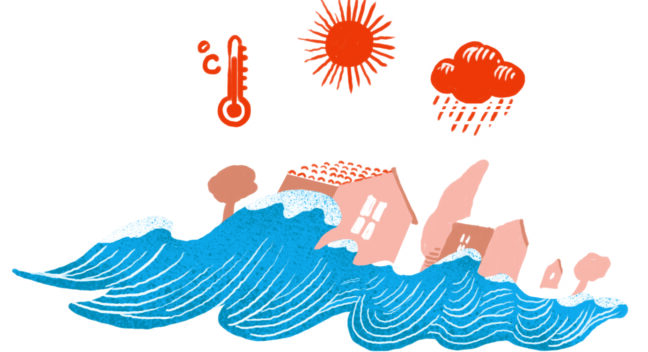
Description Disasters, whether large or small in scale, cause great destruction, as well as human and economic losses, and with that hinder the progress towards sustainable development. According to data of the UN Disaster Risk Reduction Office (UNDRR, 2019), over the past decades the number of disasters has been in constant increase throughout the world, […]