


Measures to adapt ports and promenades to climate change, Catalonia, Spain
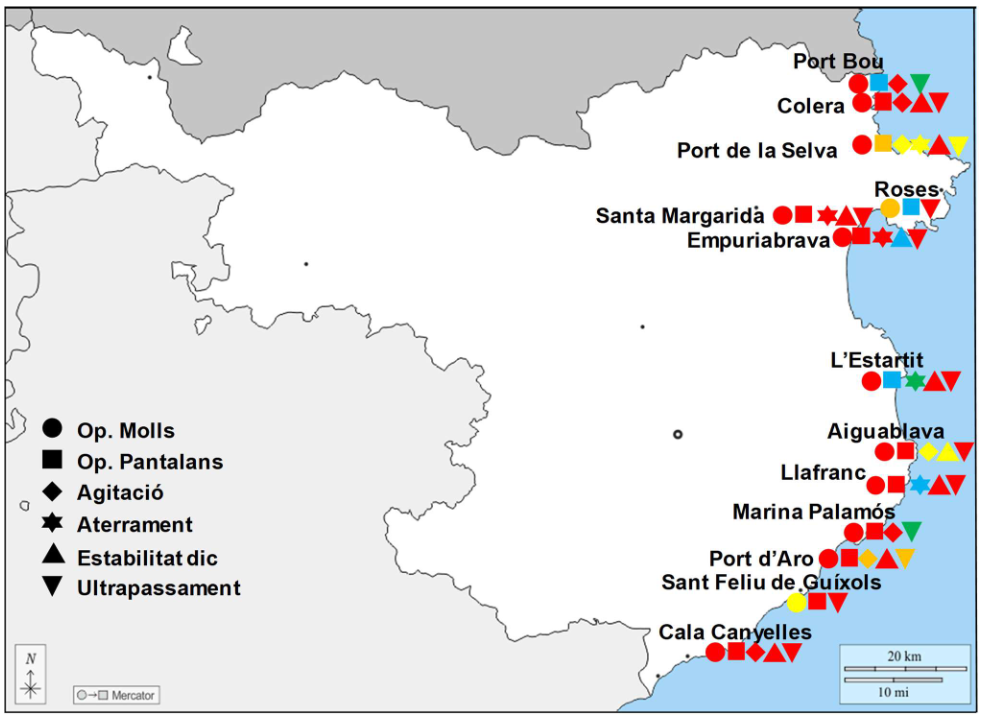
Geographic context and climate challenges The promenades on the Catalan coast with the greatest risk of scouring or overtopping are in the Maresme and in some sections of the Garraf, the Tarragonès and the Baix Ebre stretches. Also, the ports of the northern half of the coast are more exposed to the loss of operability […]
Renewable desalination for sustainable agriculture in arid climate: a pilot project in Gabès, Tunisia
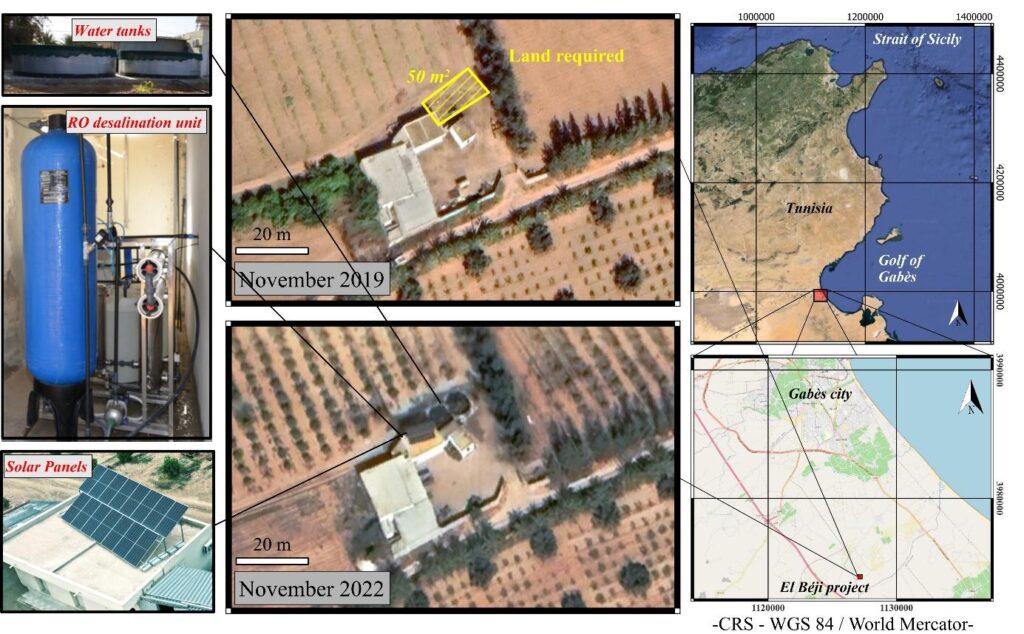
Geographic context and climate challenges Tunisia is a South Mediterranean country with a population of approximately 11 million (RGPH 2014). Despite its mediterranean status, the climate of Tunisia is significantly drier than that of its Northern counterparts, with its southern regions receiving 156 mm/yr of rain on average (SSET 1998). At the national level, these […]
Ecological rehabilitation of the dune belt of the Béni-Belaid Nature Reserve (Jijel, Algeria)
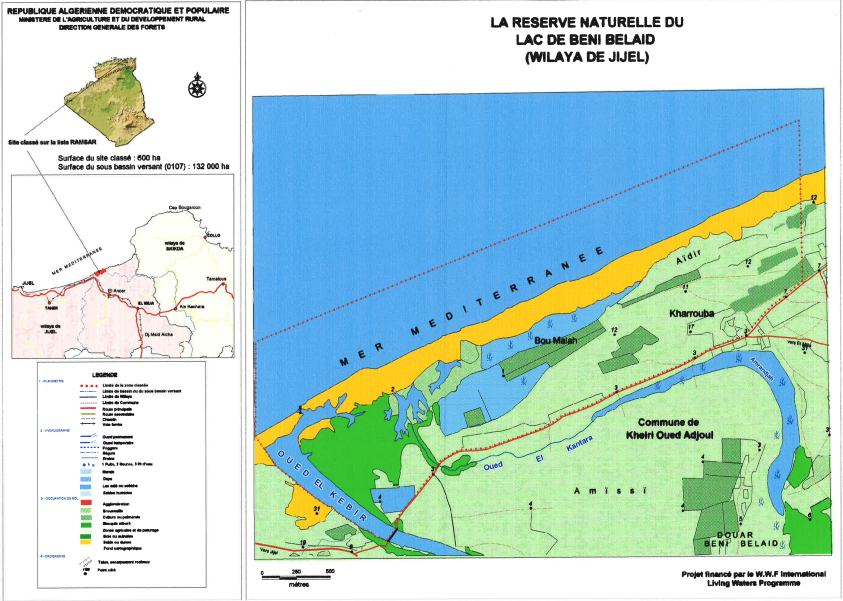
Geographic context and climate challenges In Algeria, wetlands are primarily located in the northeastern part of the country, near the Mediterranean coast (Bouldjedri et al., 2011). The geographical position of northern Algeria, at the interface of European, Atlantic, Mediterranean, and tropical regions, grants it the status of a migratory crossroads for a diversity of fauna […]
Restoration of the dune belt in the south of the Bevano river mouth (Lido di Classe, Ravenna, Italy)
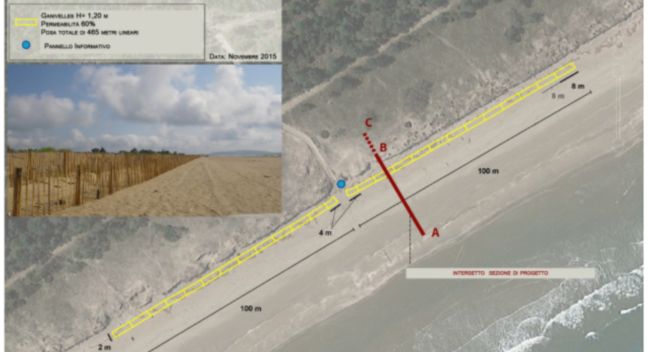
Geographical context and climate challenges The site is located in the south of the Bevano river mouth, between an integral protected area, where access by unauthorized persons is forbidden all year round, and an intermediate protection zone, forbidden for access from April to July during the nesting period of the Kentish Plover (Charadrius alexandrinus). The […]
Integrated system for the protection of Venice and its lagoon against flooding
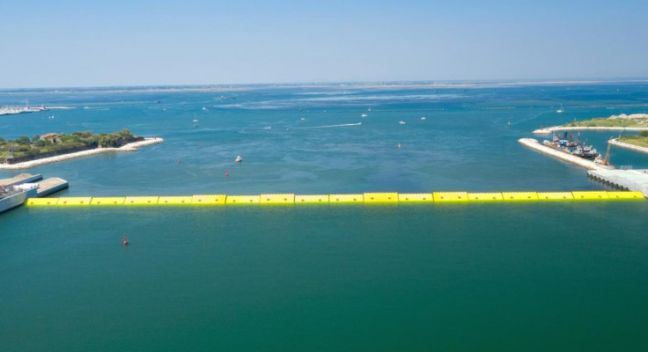
Geographic context and climate challenges Located along the northernmost stretch of the Italian Adriatic coast, the Venice lagoon is a large (550 km2) shallow water (average depth around 1 m) system connected with the sea through three inlets (from north to south Lido, Malamocco and Chioggia). Two main urban areas are located within the lagoon: […]
Optimisation of agricultural water consumption and distribution in the Reno river basin, Emilia Romagna, Northern Italy
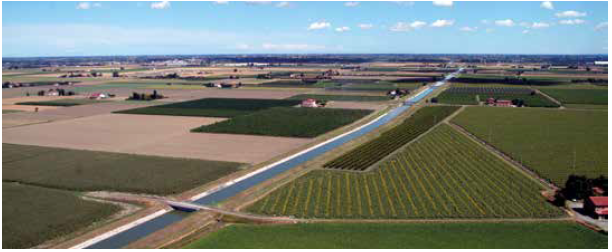
Geographic context and climate challenges The Reno river basin is mainly located in the Italian region of Emilia Romagna and is part of the hydrographic Po river basin district , managed by the Po River Basin Management Authority, according to the implementation of the Water Framework Directive (2000/60/CE). It has a total surface of about 5,000 […]
Climate change adaptation of wetlands in Attica Region, Greece
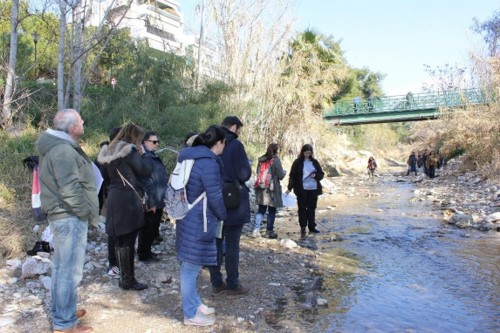
Geographic context and climate challenges Attica is a region of Greece with extensive wetlands that includes estuaries, streams, lagoons, lakes and coastal marshes. Wetlands are important elements of the natural environment for the conservation of the ecosystems, recreational areas and areas of economic development. They are particularly important in reducing the impacts of floods, while […]
Coastal protection and managed retreat of the coastal road between Sète and Marseillan, France
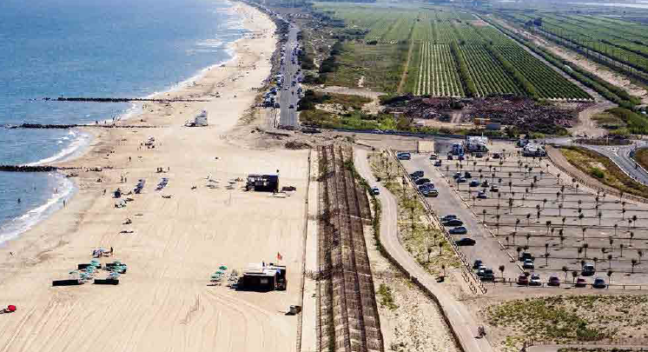
Geographic context and climate challenges The littoral between Sète and Marseillan in the Occitanie region of South France is a sand strip that separates the Thau lagoon from the Mediterranean Sea. The strip is 12 km long and 2 km wide and the littoral hosts different human activities, including a bottle-filling firm, a camping, a […]
Dune restoration through ecological engineering (Bellocchio area, Italy)
Geographical context and climate challenges The Bellocchio area (Lido di Spina, Municipality of Comacchio near Ferrara in Italy) is part of the coastal plain in the valley of Comacchio. It is a system consisting of lagoons, wetlands and coastal sandbars covered by fossil dunes that get progressively younger as they get closer to the sea, […]