


Water saving and recycling
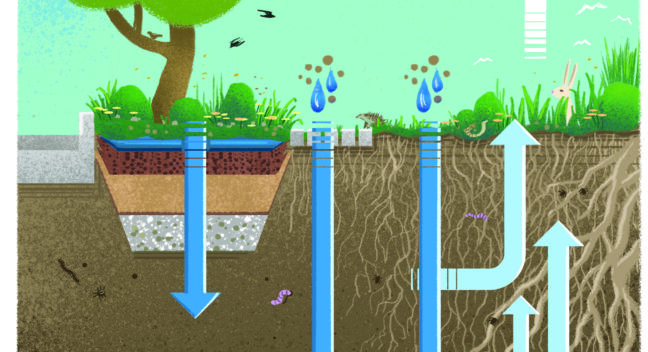
DESCRIPTION Longer dry periods in Europe and a decreasing trend in average precipitation have been experienced since the second half of 20th century, especially in summer and in southern areas, including the Mediterranean and the Adriatic-Ionian region (EEA, 2017 indicator assessment of precipitation) leading to occasional water shortages. In addition, the increase of temperature projected […]
Adaptation through integrated fire management
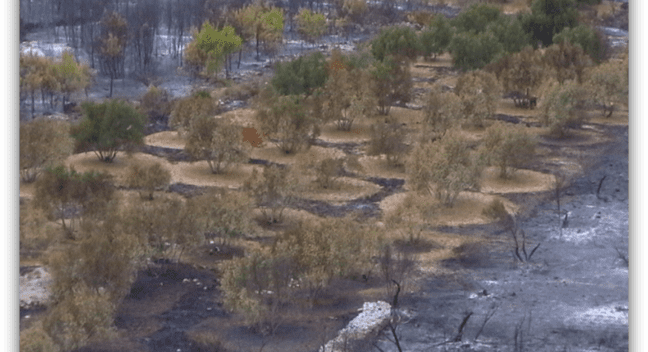
Description Climate change projections (EEA-Indicator Assessment on Forest Fire, 2019) suggest substantial warming and increases in the number of heat waves and droughts across most of the Mediterranean area and more generally in southern Europe. These changes would prolong the duration and worsen the severity of the fire season, further increase the risk areas and […]
Adaptation through integrated land-use planning

Description Integrated land-use planning involves the allocation of land for different uses balancing economic, social and environmental values at national or sub-national levels. It is the process of supporting decision makers and land users in selecting the best combination of land uses to meet multiple needs of people, while safeguarding natural resources and ecosystem services. […]
Water sensitive urban and building design

Description Changing climate in the Adriatic region coupled with ever increasing coastal urbanization results in the increase of water related ecological issues. Urban areas are characterized by high levels of surface sealing in the form of buildings and other impermeable surfaces such as streets, sidewalks and parking lots. As water is unable to infiltrate the […]
Climate-related health action plans
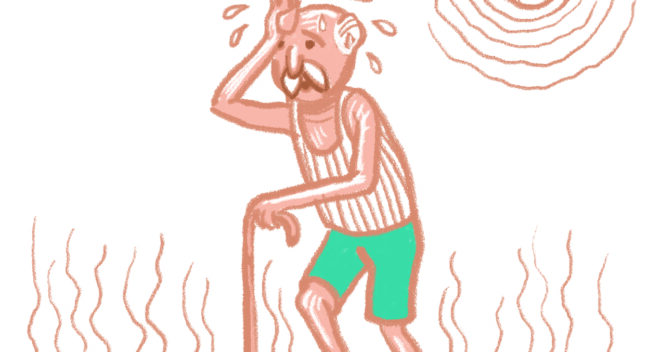
DESCRIPTION Evidence that climate change and especially extreme weather events cause impacts on human health is well documented. High temperature can lead to increased mortality and morbidity, with heat waves being a major concern in Europe, especially in southern and Mediterranean countries. In addition, mortality related to flooding is expected to increase, and change in […]
Improved water retention and irrigation efficiency in agricultural areas
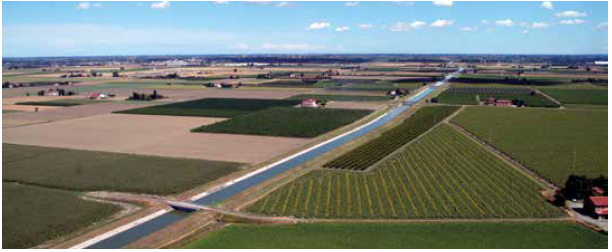
Description Soil moisture is the component of the water cycle that is accessible by the roots of plants and the quantity of water available is a major steering factor for plant growth. Soil moisture content is a factor of rainfall, evapotranspiration, surface run-off and deep percolation, and is therefore sensitive to changes in temperature and […]
Climate smart pest management
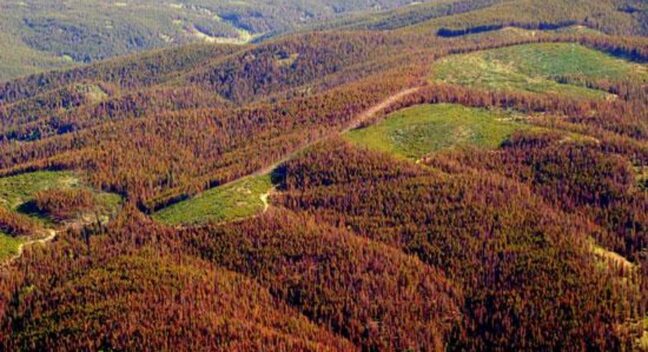
Prepared by: dr.sc. Milan Pernek, Head of the Division for Forest protection and Game Management, Croatian Forest Research Institute Description Mass tree mortality caused by a sudden increase in pest population can have extremely detrimental effects on forest ecosystems, which is reflected in biodiversity loss, lost carbon sinks and severe disturbances in ecosystem functioning. Climate and environmental […]
Climate change adaptation through afforestation

Description Mediterranean forests are one of the world’s biodiversity “hotspots” that carry multiple values of general benefit (FAO, 2011). Nowadays, they are affected by climate change and Mediterranean forest ecosystems are projected to be particularly exposed to the impacts of climate change by 2050 (FAO, 2011). The adverse effects of climate change are reflected in […]
Early warning systems

DESCRIPTION Early warning systems (EWS) are usually key elements of climate change adaptation and disaster risk reduction, and aim to avoid or reduce the damages caused by hazards. To be effective, EWS need to actively involve the people and communities at risk from a range of hazards, facilitate public education and awareness of risks, disseminate […]
Protection, restoration and management of coastal wetlands
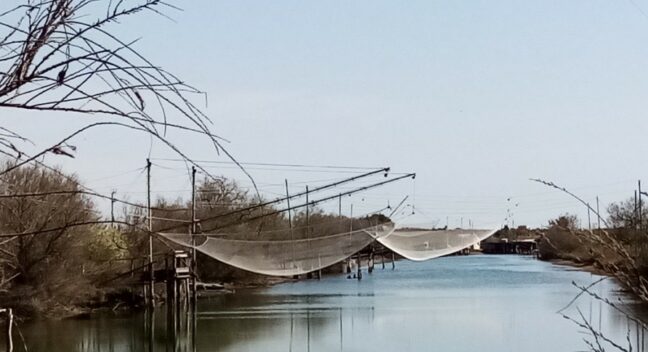
Description Coastal wetlands provide a natural defence against coastal flooding and storm surges primarily by dissipating wave energy. Salt marshes (i.e. coastal wetlands flooded and drained by tides) are the most effective natural coastal habitats to reduce wave heights, along with coral reefs (Seddon et al., 2020). By stabilizing shore sediments coastal wetlands also reduce […]