


Raising and extending coastal land
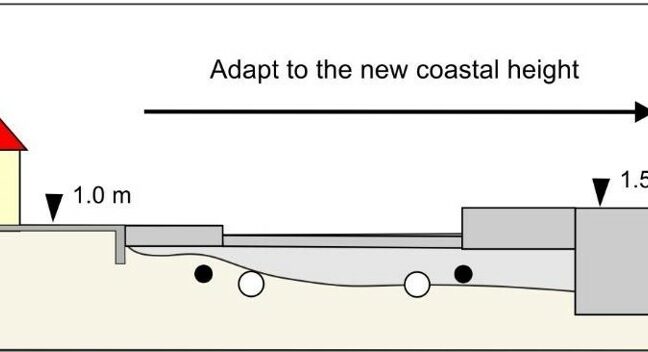
Description For centuries, coastal communities have used rocks and soil to extend and raise coastal land to gain additional space for living, but also as defence against sea storms and flooding. In more recent times, filling of wetland areas and near-shore areas below the high-tide level to build new urban or industrial sites has become […]
Beach nourishment
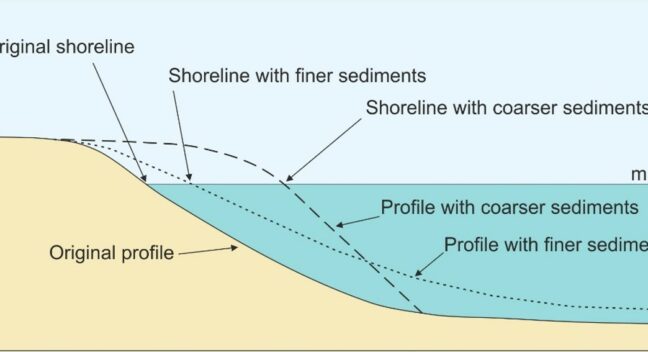
Description Beach nourishment (also known as “replenishment”) is the artificial placement of sand/gravel on an eroded shore in order to maintain the amount of deposit on the coast, and thus compensate for erosion and protect the area against storm surges. Besides fighting erosion and flooding, it most often aims at maintaining or expanding beach width […]
Seawalls and quays
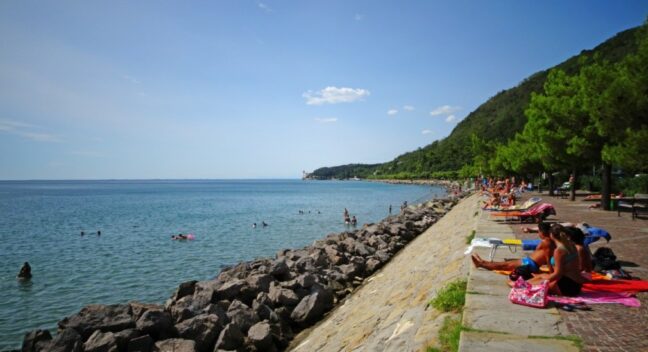
Description Seawalls are structures made of hard material (e.g. stones, concrete, masonry or sheet piles), built to protect the inland area against wave action and to prevent coastal erosion. Seawalls also serve to stabilize eroding cliffs and to protect coastal roads and settlements. They are built parallel to the shore at the transition between the […]
Groynes, breakwaters, artificial reefs and jetties
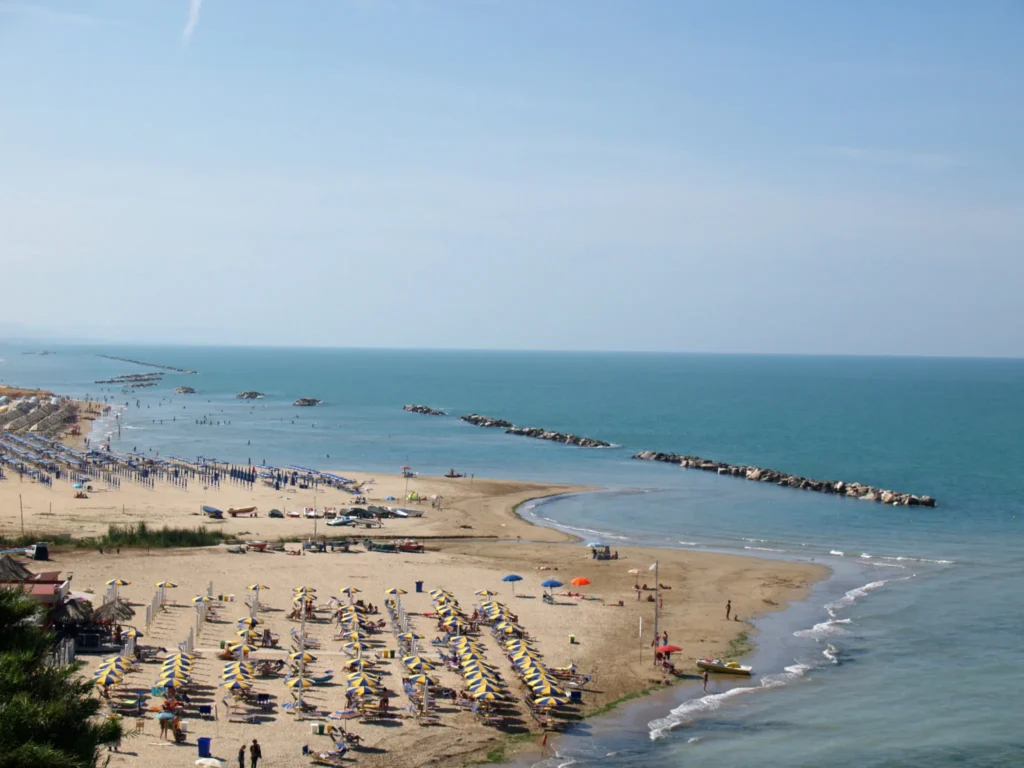
Description A groyne is a shore protection structure built perpendicular to the shoreline to reduce the longshore drift and to trap sediments (I, Γ, Y, ৲ configurations are frequently used). Since groynes induce an updrift beach expansion, and trigger a downdrift erosion, a series of groynes acting together to protect a beach (“groyne system”) is often needed, […]
Storm surge gates / flood barriers
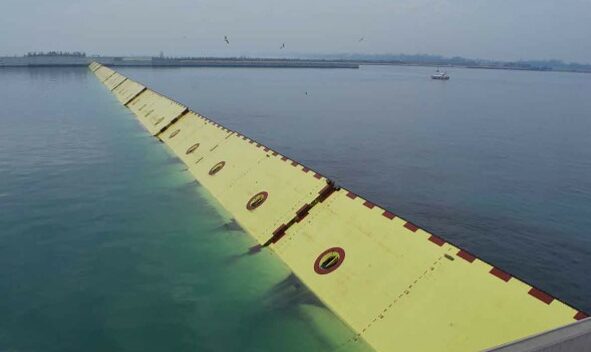
Description Storm surge gates/flood barriers are fixed installations that allow water to pass in normal conditions, and have gates or bulkheads that can be closed against storm surges or spring tides to prevent flooding. They are built to protect urban areas and infrastructure where storm surges and sea flooding could have major impacts. They can […]
Measures to reduce urban runoff
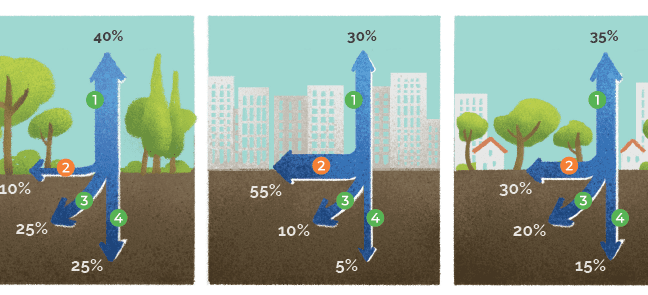
Description Extreme precipitation events are the climatic drivers of urban runoff and urban flooding, and are expected to increase in the future due to climate change. Urban runoff does not only depend on the intensity of rainfall events but also on the degree of soil permeability. In the natural environments the meteoric waters are washed […]
Water sensitive urban and building design
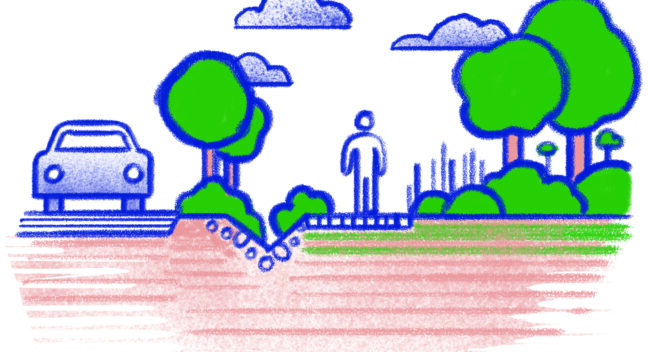
Description Changing climate in the Adriatic region coupled with ever increasing coastal urbanization results in the increase of water related ecological issues. Urban areas are characterized by high levels of surface sealing in the form of buildings and other impermeable surfaces such as streets, sidewalks and parking lots. As water is unable to infiltrate the […]
Green roofs
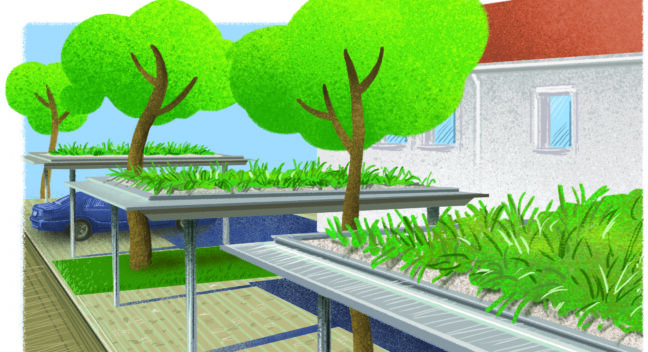
Description Green roofs are multi-layered extensions of a building roof, partially or completely covered with vegetation and a growing medium, planted over a drainage layer. Green roofs serve several purposes for a building and the surrounding environment. Primarily, they slow down storm-water runoff by increasing evapotranspiration that also decreases the air temperature. There are two […]
Improved water retention and irrigation efficiency in agricultural areas
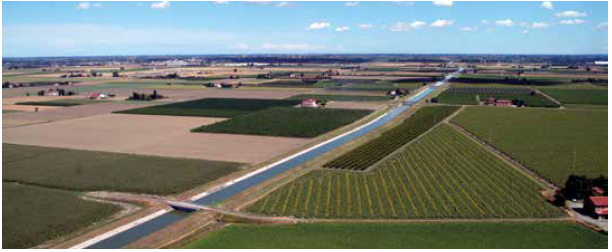
Description Soil moisture is the component of the water cycle that is accessible by the roots of plants and the quantity of water available is a major steering factor for plant growth. Soil moisture content is a factor of rainfall, evapotranspiration, surface run-off and deep percolation, and is therefore sensitive to changes in temperature and […]
Adaptation of transport infrastructure and services
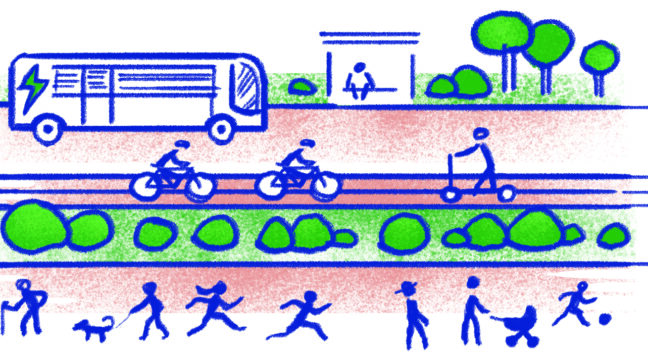
Description The transport sector is challenged by a number of climate change impacts, including temperature change, increasing extreme weather events and sea-level rise. Rising temperatures and extended heat-wave periods can increase rail buckling, pavement deterioration and thermal discomfort for passengers in vehicles. Weather extremes generating floods or landslides can lead to both short-term and long-term […]