Geographic context and climate challenges
The Maristanis project was born with the aim of restoring, protecting and connecting the wetlands of the Oristano Gulf in an integrated system of governance and sustainable development. With their 7,700 hectares, the wetlands stretching from Capu Mannu to the Marceddì lagoon constitute an ecosystem of priceless value recognized by the Ramsar Convention, the accord that since 1971 directs in 170 countries the conservation and governance for wetlands of international relevance, and Natura 2000 network. Despite the extraordinary richness in biodiversity, however, the sites enveloping the Oristano Gulf have always suffered the lack of a unified administration. The coastal area of Oristano is a complex and high-density system of rivers, lagoons, and salt marshes, with most of the wetlands being shallow eutrophic water bodies of approximately 0.5-2 m depth. The Gulf of Oristano is characterized by the tight integration between the existing settlement structure, with population of the 11 municipalities of around 85,000 in 2022, and the environment characterized by the system of coastal wetlands.
The rivers and wetlands are amongst the most fish-rich inland areas of Sardinia, possibly in the entire Mediterranean, and they also hold significant cultural heritage value. In several ponds and lagoons, there are operating fishing cooperatives and some aquaculture production, often derived from traditional practices. The southern wetlands of the Gulf are the Marceddì-San Giovanni lagoon compendium, which appears as a deep marine inlet artificially separated from the sea by a fishpond bridge and divided into two different wetlands: the Marceddì lagoon (900 ha), closer to the sea with brackish water, and the internal pond of San Giovanni (700 ha), characterized by freshwater inputs from the rivers Rio Mogoro, Rio Mannu, Rio Sitzerri, and from some artificial canals.
In Maristanis area, droughts during summer are often associated with greater water demand from different competing sectors, leading to inter-sectorial conflicts and unsustainable overexploitation of water resources. Consequences of severe droughts have been particularly relevant with risks for limited freshwater supplies and the incurrence of large fires affecting not only forest ecosystems, but also rural/urban interfaces and the increase of coastal erosion risk and desertification. Flooding is a particularly crucial risk not only endangering human life and infrastructures, but also causing soil erosion and the transport of contaminants from industrial, mining and agriculture fields to natural and especially aquatic ecosystems. Climate change can alter agricultural productivity, in terms of quantity and quality of agricultural products, water supply and the hydrological regime, with implications for water resources availability. The coastal area of Gulf of Oristano faces a significant threat from inland flooding, especially during extreme rainfall events combined with marine storms. This endangers the population, infrastructure, and the local economic activities.
Objectives
Since 2017, an international cooperation project MARISTANIS has aimed at defining an integrated management model for the coastal wetlands of the Gulf of Oristano. The first phase of the project was the gathering, reorganization and improvement of the knowledge concerning the Ramsar sites. Only through the creation of a solid scientific literature it is possible to identify all the interventions necessary for the protection and development of the territory. A shared awareness tied all the stakeholders in a common praxis. Knowledge and a new method of governance can at this point be implemented on the ground, where the strategies become tangible actions that are able to re-establish the harmony between human presence, labor, and the environmental frame constituted by land and water, flora and fauna. Fishing, aquaculture, agriculture, livestock, tourism and craftsmanship become places where new practices and proposal are assimilated and turned into new relevant projects in the area.
For this reason, a current TransformAr project (Accelerating and upscaling transformational adaptation in Europe: demonstration of water-related innovation packages) is actively working on two transformative projects—the Coastal Contract (COAST) and the Nature-Based Solutions (NBS) initiative—aimed at addressing climate change and environmental challenges.
The COAST is a comprehensive governance tool designed for the integrated management of wetlands, aiming to address the fragmentation of local governance, mitigate the natural and anthropogenic impacts and improve ecological conditions. The implementation of a SMART GATE and a monitoring system which are part of Nature-Based Solutions (NBS) focused on the restoration of the wetland system of Marceddì and San Giovanni (Maristanis area). The NBS enhances understanding of key water quality parameters, supporting long-term assessments and improving water circulation management. The active involvement of local stakeholders, especially public authorities and the fishing sector, from the NBS development to its implementation and management, ensures the solutions’ efficacy and efficiency to face the ongoing environmental challenges and improve climate resilience in the region.
Adaptation measures implemented in the case
Protection, restoration and management of coastal wetlands
Strengthening governance via integrated management of wetlands
Smart Gate system ~ storm surge gate/flood barrier
Solutions
In Oristano, TransformAr will focus on two solutions: a governance solution for improving wetland management, and an NBS to restore and protect the lagoon and enhance the natural role of the wetland.
The Coastal Contract
To enhance the integrated management of the wetlands in line with the objectives of the Regional Adaptation Strategy to Climate Change, the 11 Municipalities of the Gulf of Oristano, along with the Province, the Oristano Reclamation Consortium and the Regional Government, have undertaken a process, with a milestone of the signature of the Coastal Contract in 2021. This voluntary agreement aims to improve the ecological condition of water systems by implementing proactive measures. These measures are designed to mitigate the negative impacts of human activities, enhance water quality and circulation, and increase resilience to climate change.
The signatories form the Coordination Group, the institutional body responsible for political decision-making and the strategic direction, which is supported by the Technical Secretariat for the implementation of the Contract.
The Action Plan of the Contract contains projects at different scales and covers the following topics:
- Participatory territorial governance and capacity building;
- Improvement of the ecological status of water systems;
- Protection of biodiversity and natural heritage;
- Landscape requalification and enhancement of cultural heritage;
- Green economy – towards a sustainable and responsible territorial development model;
- Strengthening resilience by addressing climate change;
- Communication and environmental awareness.
Being part of the Action Plan allows for preferential access to new funding opportunities, either through the Region’s new financial programming or through new regional and national calls.
Within the framework of the TrasformAr, MEDSEA is enhancing the use of the Coastal Contract for the protection of water bodies in the Gulf of Oristano and encourage its replicability across Sardinia. One is the organization of a consolidated participatory process to ensure a broader and active involvement of public authorities, local communities, fishermen, farmers, and tourism operators, and the other one is the development of the Local Wetland Observatory to guarantee a scientific approach in the development of wetland conservation and adaptation measures.
The Smart Gate and the Nature-Based Solution
Among the wetlands included in COAST there is the Marceddì lagoon and the San Giovanni pond, which represent a complex transitional ecosystem between the hydraulic and coastal marine environments, whose functionality is crucial in flood and storm control, climate resilience, and the maintenance of biodiversity. The critical issues of the San Giovanni – Marceddì lagoon and pond system, with evident implications for the environment and productivity, are:
- Disruption of water exchanges to and from the sea (including natural daily tidal flows) and limitations on the distribution towards the open sea of finer sediment fractions and suspended materials due to the construction of the Marceddì bridge. This aspect has led to the deterioration of water quality in the lagoon and its productivity, as well as widespread problems of poor oxygenation and water turnover between adjacent basins and the sea.
- Progressive silting of the internal basin of San Giovanni resulting from the construction of the embankment and the interception of continental water flows, which leads to a gradual reduction in the depth of the estuarine basin, a decrease in flood buffering capacity, and the development of phenomena of anoxia related to limited water exchanges, especially during the summer season.
The NBS that is being implemented on this wetland foresees to:
- Equip the existing embankment within the San Giovanni Pond with an intelligent system of gates, the opening and closing of which can be remotely controlled. The use of the existing embankment also appears to be functional for flood management and for the utilization of the reservoir for water regulation and storage purposes. The embankment should be easily passable by floods, even for Tr=50 years, and the gates will act as overflow thresholds in the case of lower return period events.
- Adapt the Marceddì bridge spans to enable effective water connection between the sea and the lagoon. The positioning of the hydrometers is therefore aimed at understanding and controlling the hydraulic interaction between inflowing watercourses, sea and the water body, both seasonal and exceptional, functional to the use of the water surface for regulation purposes, and the efficiency of the phyto-depuration capacity of the wetland sector.
- Arrange the internal embankment (closure of gaps) and removal of the existing embankment partitions which do not permit the communication among areas. The internal embankment, separated from the main basins, could function as a genuine filtering ecosystem by increasing its natural purification capacity.
- Creation of buffer zone with rows of trees and shrubs along the inner banks of the pond of San Giovanni and Corru S’Ittiri.
The TransformAr solution focuses on testing the functionality of the SMART GATE with a remote control and installing a monitoring system into the lagoon with the aim of improving the current challenges with synergic, efficient, and participative managing of lamination lagoon problems, due to climate changes, and fishing practices, due to general faunal pauperization.
The SMART GATE has the aim of regulating the water circulation between the mouth area and San Giovanni Pond, to guarantee the better condition in terms of ecological parameters and control the hydraulic levels. In a state of equilibrium, the SMART GATE will remain closed and will be opened only in the event of hydraulic risk or alteration of the chemical-physical state of the water, thus allowing a flow of freshwater from the mouth areas of various rivers and canals into the pond. Three monitoring stations will be installed. Each station is connected to a multi-channel datalogger, which collects, stores, and transmits data to the IT platform that communicates with the SMART GATE.
Leader of the initiative and key partners
MEDSEA Foundation, in collaboration with the Marine Protected Area “Sinis Peninsula – Mal di Ventre island”, coordinated Maristanis, an international cooperation project that aimed at defining an integrated management model for the coastal wetlands of the Gulf of Oristano. Maristanis can be considered as an englobing, broad project that forms a foundation for later projects in the area. Maristanis was cofunded by the MAVA Foundation.
TransformAr project has received funding from the European Union’s Horizon H2020 innovation action programme under grant agreement 101036683, and the development of a SMART GATE is action under the TransformAr project. An NBS is partially under development with multi-financing, including support from the European Regional Development Fund, managed by the Municipality of Terralba.
Stakeholder participation
The signature of the Coastal Contract marks a milestone of the journey of Oristano’s wetlands that started with the project ‘Maristanis’ in 2017 and included numerous activities and cooperation with the population. 40 participatory meetings with local public and private stakeholders were organised in the wetland area.
The participatory process of the baseline project Maristanis involved the associations, the economic sectors and the citizens. Starting from the second half of October 2021, and until the beginning of May 2022, the experts of the MEDSEA Foundation did a roadshow to meet and discuss with everybody representing the civil, scientific and economic society of the municipalities involved in the new governance tool for wetlands and coastal areas – the Marine Coastal Wetlands Contract. The stakeholders met in this period were: fishermen and farmers, fisheries and farming associations, territorial authorities, local companies, associations, and tourism operators.
To continue exploring, together with the local community, the potential of this region towards valorization and sustainable development in the future, the participatory process ‘Let’s listen to your Water Lands’ began in June 2023. This initiative is promoted by the Contract Coordination Group and implemented with the technical support of Poliste srl Società Benefit. The process began with the goal of raising awareness, engaging, and involving communities, thereby encouraging the expression of ideas, opinions, visions, dialogue, listening, and active discussion. The Coastal Agreement has been included among the stories of the European Community’s ‘Climate Change Adaptation’ Mission. It is a collection of adaptation actions aimed at inspiring others to take action on climate adaptation “Coastal Contract: A Governance Approach for Integrated Wetland Management”.
The current project COAST that was born from the Maristanis project also has a strong focus on stakeholder engagement. The COAST, part of the TransformAr project, generates social impact by placing a significant emphasis on knowledge and awareness within the community. COAST aims to actively engage public and private stakeholders, citizens, and various economic categories. It aims to enhance knowledge and awareness among key stakeholders, measured through participatory meetings, the replicability of COAST on a regional scale, dissemination through factsheets, and the influence of COAST on local policies. This is achieved through a series of participatory meetings whose number serves as a key indicator of the project’s success in engaging different segments of the population. Finally, during the consultation process of the SMART GATE project, there were 140 fishermen involved, gathered within the Consortium of fishermen of Marceddì.
Success and limiting factors
Maristanis project ended its 5-year-long journey with the signature of the Coastal Contract. A Coastal Contract is a governance approach that facilitates better cross-sectoral cooperation at the local level. The Coastal Contract is designed for the integrated management of coastal wetlands while overcoming the fragmentation of local governance. It has been included among the stories of the European Community’s ‘Climate Change Adaptation’ Mission, within a collection of adaptation actions aimed at inspiring others to take action on climate adaptation “Coastal Contract: A Governance Approach for Integrated Wetland Management”.
The Coastal Contract represents a voluntary and inclusive agreement among various partners who recognise the territory of the Gulf of Oristano as part of a unique ecosystem and want to collaborate actively towards its protection and promotion. Driven by this shared commitment and supported by a constructive dialogue, participants had the opportunity to share their experiences and proposals, highlighting both individual territorial characteristics and common needs. This process has been crucial in shaping an ambitious and effective Action Plan.
The Coastal Contract was signed on February 5, 2021 by the Department of Environmental Defense of the Sardinia Region, the Province of Oristano, the Oristano Reclamation Consortium and the mayors of the eleven municipalities: Arborea, Arbus, Cabras, Guspini, Oristano, Palmas Arborea, Riola Sardo, San Vero Milis, Santa Giusta, Terralba and Nurachi.
Within the framework of the TransformAr Project, partners are working to enhance the use of the Coastal Contract to protect water bodies in the Gulf of Oristano and encourage its replicability across Sardinia. TransformAr therefore funds activities related to raising community awareness of the issues and actions of the Coastal Contract and increasing the involvement of private stakeholders with the goal of increasing the number of signatories (currently only local and regional public entities). Internationally, TransformAr promotes the Contract as a management model that helps with climate change adaptation because several concrete adaptation and mitigation measures are and can be included within the Action Plan. Thanks to a consolidated participatory process and the development of the Local Wetland Observatory, the project is reaching a broader involvement of public authorities, local communities, fishermen, farmers, and tourism operators and guaranteeing a scientific approach to develop wetland conservation and adaptation measures. The Observatory facilitates informed, evidence-based decisions and raises public awareness about the crucial role of wetlands in climate protection.
The acquisition of new funding for the Action Plan’s implementation, combined with the growing engagement of local stakeholders in public meetings on wetlands and the surge in proposals for various actions and initiatives, collectively highlight the effectiveness of this governance tool.
Costs and benefits
Maristanis project was cofunded by the Swiss Foundation MAVA for the Nature, as part of its Action Plan for the Mediterranean “Enhancing the conservation of coastal wetlands”, and coordinated by the MEDSEA Foundation in collaboration with the Marine Protected Area “Sinis Peninsula – Mal di Ventre island”.
TransformAr, with its cross-sectoral and multi-scale innovation packages supports European regions and communities in their societal transformation towards climate change resilience. The total value of the project for six European demonstrator sites is of over 12 million euros, funded from the European Union’s Horizon 2020 research and innovation programme under grant agreement n°101036683. The MEDSEA actively works to implement TransformAr in the west coast of Sardinia, as a Demo site facilitator. In particular, MEDSEA coordinates the development of a Nature Base Solution in the wetlands of Marceddì and San Giovanni in the Gulf of Oristano, regarding the installation of a smart gate for emergency opening in case of extreme flood events, and an innovative water monitoring system based on tide gauge and multiparameters sensors, to improve environmental knowledge and plan appropriate mitigation actions. MEDSEA budget for this is 667,187.00 €, for the duration of 48 months (1 Oct 2021 – 30 Sep 2025).
As for the total costs of the work for the design and installation of the smart gate and sensors (plus the attached works: road and embankment arrangement plus construction of a birdwatching hut in which to house batteries and various instruments and the solar panels) are 290,000€. In addition, the “Green Investment” is over 1 million euros, considering also the NbS funded by the Sardinian region.
The expected benefits of the projects relate to the innovative approaches to ecosystem management. The LWO serves as an innovative tool for real-time monitoring of wetland status and trends. The application of SMART GATE technology to regulate water circulation demonstrates innovation in water resource management within the ecosystem, which has benefits for both fisheries and flood defense. It enables efficient and timely responses to changes in hydraulic levels, ecological conditions, and water quality. The remote-control system improves the effectiveness of water regulation and contributes to flood risk management, allowing for precise monitoring and control of the ecosystem with a significant focus on environmental conditions and fishery requirements. Finally, the overall effect of TransformAr is the massive increase of community resilience and capacities to cope with unavoidable effects of climate change.
Implementation time and lifetime
Five years (2017-2022) of the Maristanis project and forty participatory meetings with local public and private stakeholders in the territory were needed to find the best governance and to reach the agreement of the fourteen signatories of the Coastal Contract; with four governance bodies (coordination group, technical secretariat, committee for directions, and technical committee), seven strategic axes defined, fifty actions affecting the integrated system of wetlands’ governance; with 50% of the actions that funded and stated the implementation phase, and 50% requesting new funds for the implementation in the medium term. Its action plan contributed to the extension of activities in the wetland area, this time under the project TransformAr, and for additional four years (1 Oct 2021 – 30 Sept 2025). MEDSEA collected some preliminary data in the lagoon (before the implementation period of TransformAr), as preliminary studies for the drafting of the project jointly with the Municipality of Terralba.
Authorization process took 1 year (considering the various stages from area acquisition to authorization to operate in Natura 2000 protected area). Construction time of 100 days is expected. The engineering work on the SMART GATE installation starts in September 2024. A monitoring and evaluation of the implementation will be planned every 4 months, and a report will be provided with a deeper analysis of the NBSs performance over the previous months.
Keywords
Coastal wetlands; protection, restoration and management; integrated management of wetlands; governance – the coastal contract; Smart Gate.
Contacts
Manuela Puddu, Engineer, MEDSEA Founder and Board member
e-mail: manuelapuddu@medseafoundation.org
MEDSEA | Mediterranean Sea and Coast Foundation
Via Nazario Sauro, n°1, 09123 Cagliari (Italy)
Website: www.medseafoundation.org – Email: info@medseafoundation.org
This case study has been prepared with the support of Manuela Puddu and MEDSEA Team.
Source for more detailed information
About Coastal Contract, on the EU’s Climate-Adapt platform of adaptation actions: https://climate-adapt.eea.europa.eu/en/mission/solutions/mission-stories/mission_story7_coast
Map
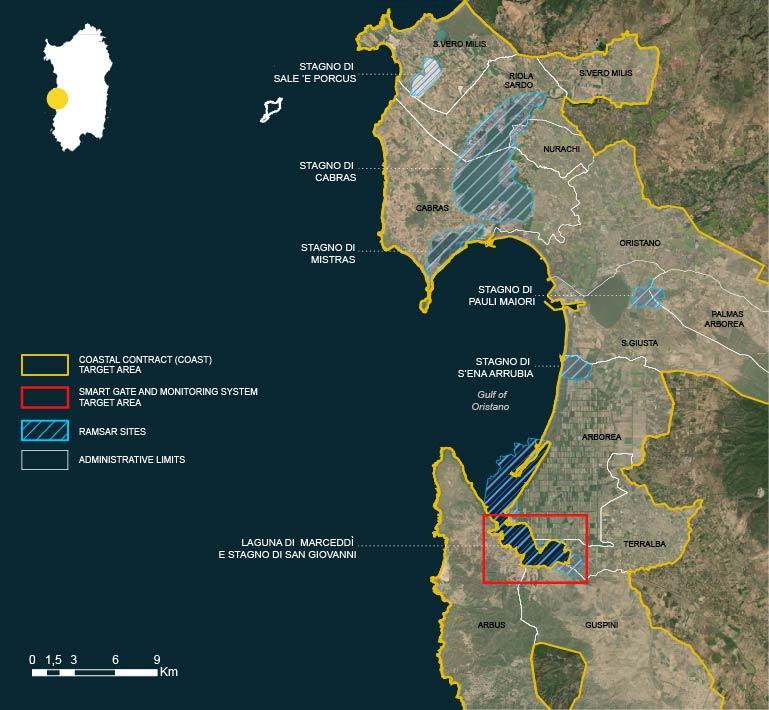
Map 1: General map of the Gulf of Oristano ©MEDSEA
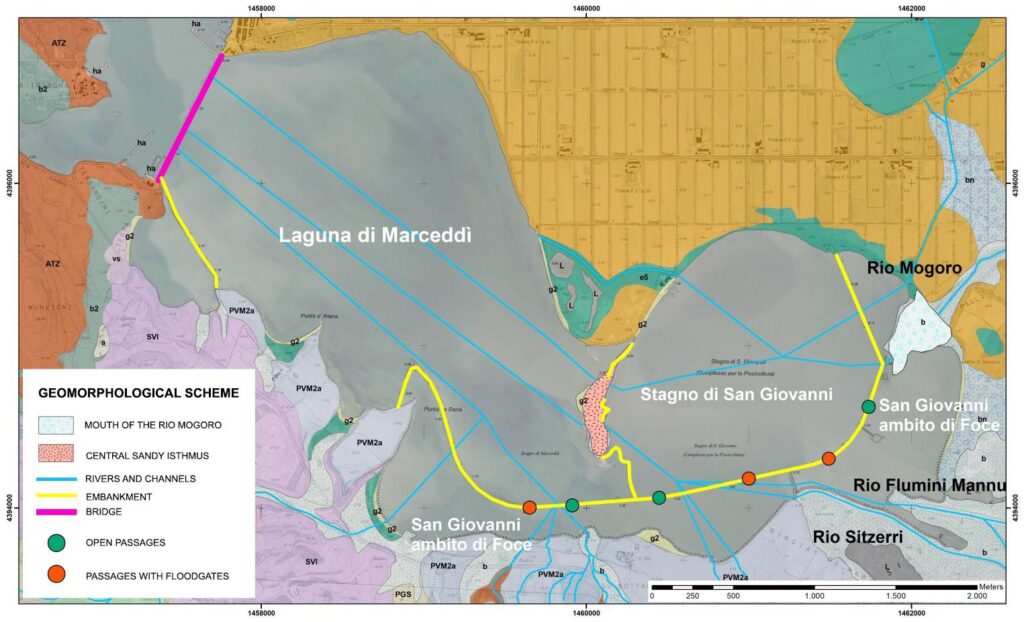
Map 2: Zoom on the wetland of the NBS implementation ©MEDSEA
Pictures
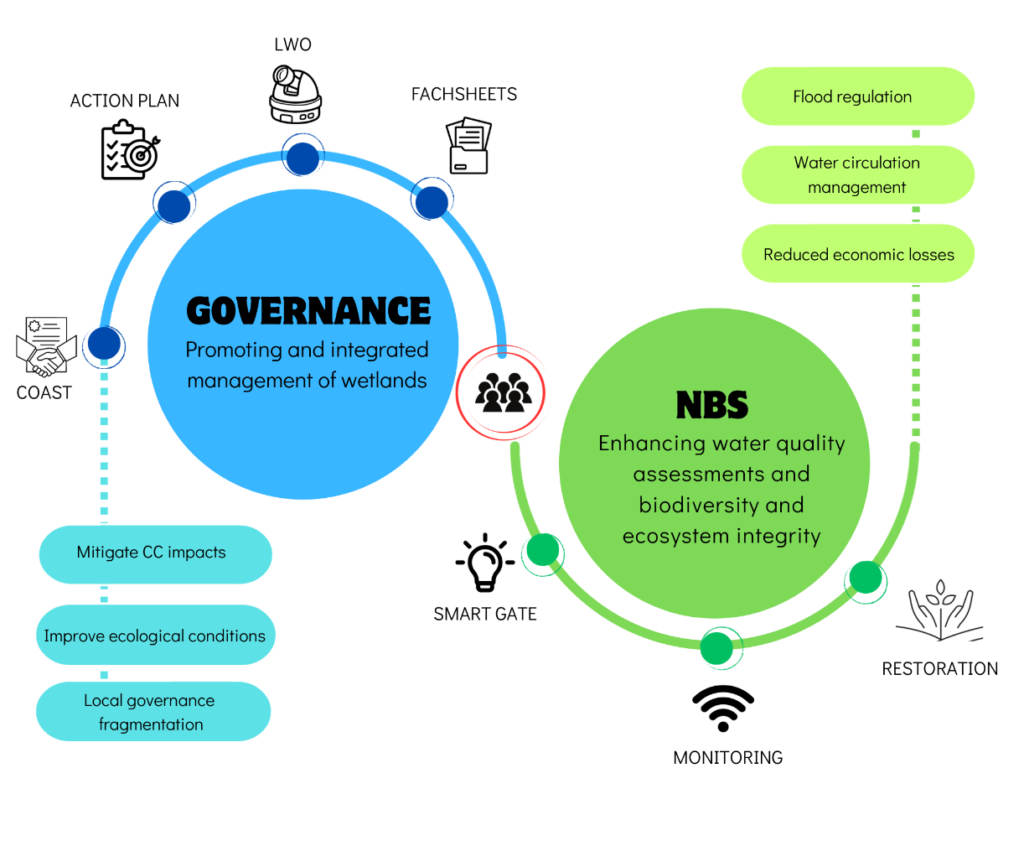
Figure 1: Infographic of the project TransformAr – governance (COAST) and NBS (SMART GATE) projects ©MEDSEA
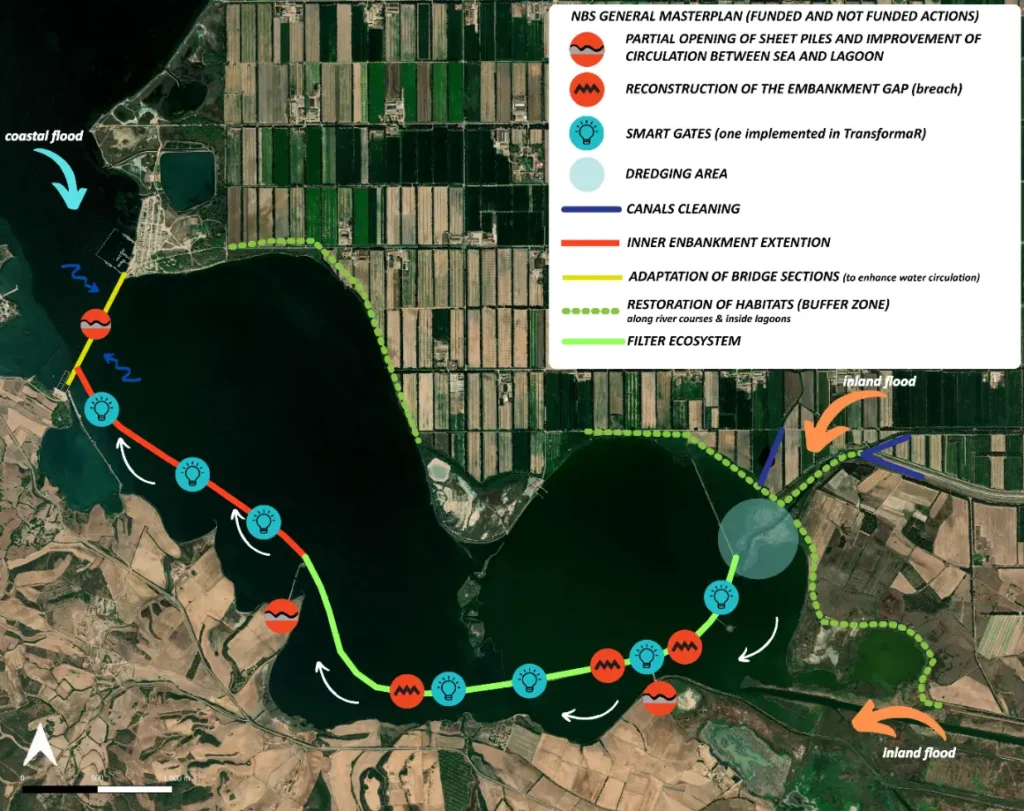
Figure 2: Masterplan of ongoing and future interventions ©MEDSEA
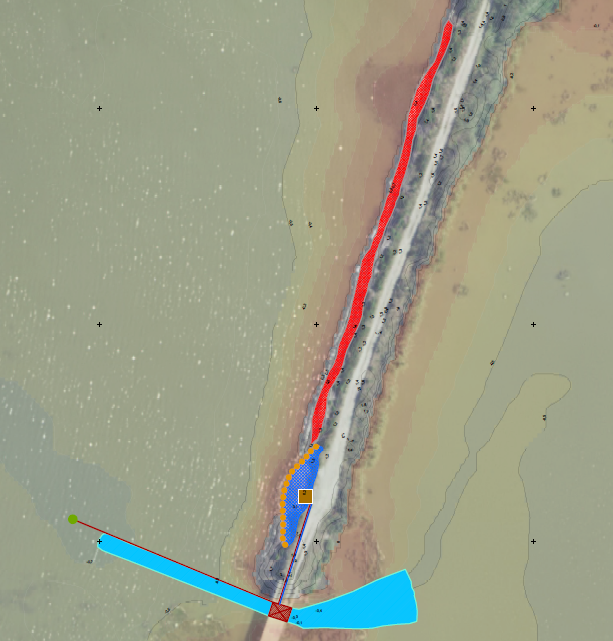
Figure 3: SMART GATE intervention ©MEDSEA
Documents
TransformAr project, Oristano site : https://transformar.eu/demonstrator-4-oristano-italy/
Monitoring report – Oristano – COAST and SMART GATE – Deliverable 5.8 Intermediary monitoring report, project TransformAr Accelerating and upscaling transformational adaptation in Europe: demonstration of water-related innovation packages.
Video documentation
Selection of videos, project stories and testimonials is available on the webpage of the project Maristanis: http://www.maristanis.org/index.php/en/maristanis-en/projects-and-stories.htm