Geographic context and climate challenges
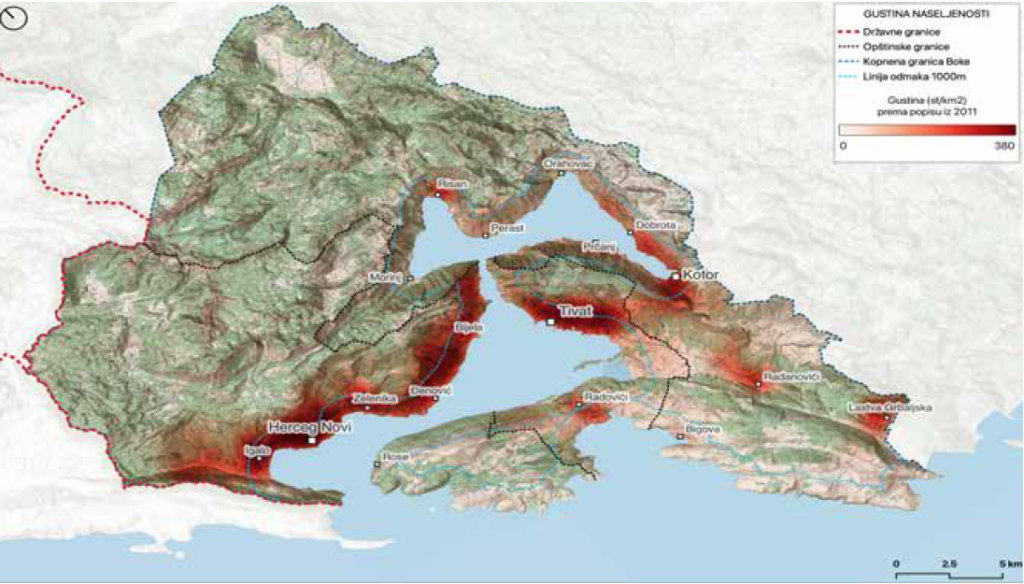
Split-Dalmatia County (Županija in Croatian, SDZ) is the largest Croatian county with a total area of 14,106.40 km². Of this total area, a surface of 4,523.64 km² (8% of the Republic of Croatia) is covered by land, and the sea covers a surface area of 9,576.40 km² (30,8% of the sea surface of the Republic of Croatia). Geographically, SDZ is located in the central part of the Adriatic coast. SDZ is divided into three geographical subunits: hinterland, coastal area, and islands. There are 74 islands and 57 islets and reefs in the SDZ. The coastal area makes a narrow strip along the coast between the mountain ranges and the sea. This area is highly urbanized and economically developed compared to the hinterland. There are 423,407 inhabitants in the SDZ, which gives a population density of 93,6 inhabitants/km². However, coastal areas everywhere in the world are among the most populated and developmentally most attractive and valuable areas. SDZ is no exception. In its coastal area, which roughly covers the area of 32 coastal and island local self-government units and makes up 41% of the land and 100% of the sea surface of the county, 80% of its inhabitants live and 90% of economic activities take place, including 99% of tourist activities. One of the most attractive coastal areas in the world, visited by over 3.5 million tourists a year, with a rich cultural heritage, still largely preserved nature and environment and clean sea, is undoubtedly key development resource of the SDZ.
Tourism, which is the most important and fastest-growing activity in SDZ, is still characterized by distinct seasonality, the violent growth of accommodation capacities mainly in private accommodation, which is responsible for the capacity not to be filled even in the peak season, despite the fact that the number of tourists in the peak season already reached an average of 50% of the population and in many places burdened the utility to the maximum infrastructure. Although the further growth of accommodation capacities in the described circumstances is unreasonable and harmful, the high pressure related to construction is not abating, even though the population is decreasing. Despite consuming the extremely valuable resource of the attractive untouched coast at an average speed of about high 3.5 km per year, according to EUROSTAT data, SDZ lags behind regions in comparable post-transitional regions in terms of development economies.
The abandonment of agricultural land and the associated higher incidence of fires is the cause of the coastal area forested areas decreased by 25% in the last 40 years. Also, loss of forest cover causes soil erosion and pollution of karst aquifers, so Split, which is always proud of its high-quality water from the river of Jadro, suffers from water turbidity in periods of heavy precipitation. Water losses in the water supply network exceed 50%. Furthermore, there is a significant presence of illegal construction in SDZ’s coastal area, without a decisive answer that would discouraged other potential illegal builders. There is an absence of the necessary instruments for effective management of spatial development, especially in the implementation of urban plans and the arrangement of construction land, which results in a low urban, functional and aesthetic quality of the built space. The construction does not consider the vulnerability of the landscape and permanently degrades its value and attractiveness, which is the basic resource and comparative advantage of tourism.
Finally, the biggest negative impact on the area of the SDZ is expected from rising sea levels. The current trend of the absolute sea level across Europe, based on satellite measurements, shows that the county’s area is increasing by 3 to 4 mm per year. When the effects of occasional extreme sea levels in the range of 0.84 m to 1.15 m are added to the predicted sea level rise projections, extreme occasional sea levels at the end of the century in the range of about 1.4 m to 2.2 m are obtained (Draft of the Croatian Climate Change Adaptation Strategy). Since 1955, when measurement began at the Split tide station, in November 2019, the highest sea level of 91.1 cm above the mean sea level was measured. Considering the expected trend of sea level rise, and the fact that a small rise in sea level increases the frequency of occurrence of extreme levels, such occurrences will become more and more frequent, especially in the second half of this century. In the long term, sea level rise is potentially one of the most expensive effects of climate change on the entire Croatian coast. According to the flood risk assessment of “Hrvatske vode”, approximately 850 ha of the County’s coastal area is at high risk of flooding, approximately half of which are construction areas (mostly in the areas of Kaštela, Omiš, Trogir, Solin and Split).
Objectives
There are several reasons why the Split-Dalmatia County initiated the process of creating the Management Plan for the Marine Environment and Coastal Area of the Split-Dalmatia County (hereinafter Coastal Plan SDZ), as an additional study-planning document whose declared objective is to improve management and achieve sustainability in its coastal area. One is certainly the recognition and appreciation of the first-class importance of the coastal area of the SDZ for its development on the one hand, as well as the vulnerability and development limitations in that area on the other hand, and following the recommendations of the Protocol on Integral Coastal Zone Management in the Mediterranean, with the aim of the preservation, sustainable and resilient development of coastal areas.
In addition to this awareness of the importance, sensitivity and consequent need for particularly careful and effective planning and management, additional and more urgent incentives for starting the process of creating the Coastal Plan SDZ also came from the need to provide a quality response to the growing number of increasingly sensitive, and interdependent development challenges in the coastal area of the County. This refers primarily to:
- continuous high pressure related to construction and unsatisfactory results of the construction in the coastal area;
- degradation of valuable coastal landscapes and ecosystems, including illegal and/or harmful practices on maritime assets, changes in land cover, and growing pressures on various segments of the environment;
- unbalanced economic development, strongly dominated by the growth of the tourism sector, with increasingly visible symptoms of unsustainability and economic inefficiency;
- more and more tangible and certain challenges related to climate change.
Finally, apart from the recognition of growing development challenges, the impetus also comes from the recognition of the possibility and need for more effective management and development: and through general strengthening of management efficiency, with the aim of reducing the chronic gap between goals and recommendation of adopted strategies and plans on the one hand and trends in reality on the other, and through capacity building and preparation for more effective use of available EU funds for its own more sustainable development.
Adaptation measures implemented in the case
Adaptation through integrated coastal zone management plans and programmes.
Solutions
The coastal plan is a strategic act that provides a framework for SDZ development projects co-financed by the EU.
Organized by the Administrative Department for Tourism and Maritime Affairs of the Split-Dalmatia County (SDZ), from 15 until June 23, 2020, three workshops were held for representatives of island units of local self-government, land-based local communities that have contact with the sea and the coast, and for representatives of the interested professional public, where the draft of the Coastal Plan SDZ was presented.
The Coastal Plan SDZ is not a replacement for the system of existing plans that currently regulate the development, preservation and management of the county’s coastal area – which includes existing development plans, spatial plans and various sectoral plans, at the county and local level – but rather their complement. Based on a diagnostic analysis of selected priority problem areas, it gives recommendations that will be incorporated either in the next generation of these plans, or before, in the daily practice of key institutions responsible for the management of the SDZ’s coastal area.
Seven priority problem areas are included in the Plan, selected based on the evaluation of the state and trends in the coastal area of the county and all existing plans, and according to the criteria of importance, the level of (non)coverage by other study-planning documents and the level of presence in the media and public discourse. These are:
- the sustainability and success of the spatial development of the SDZ coastal area, i.e. how much, where and how we build, and with what development effects;
- planning and management of development on the maritime domain, with a focus on inventorying the current state; illegal, unprofessional, non-planning practices that degrade maritime assets and marine area planning;
- the challenges of climate change and variability in the coastal area of SDZ and the possibilities and needs of adaptation, with specific recommendations related to flood risks in low coastal areas, beach erosion, urban heat islands, and wildfire risks;
- sustainable management and protection of the landscape in the coastal areas of SDZ;
- prevention of pollution and rational use of natural resources in the coastal areas of SDZ, particularly related to rational use of water resources and the protection of the marine environment from marine debris;
- management towards a more sustainable, successful and resilient development model for the coastal area of SDZ;
- the question of the higher efficiency of management and implementation of plans, as well as the achievement of the declared goals of the development of the coastal area of SDZ.
In addition, the Plan is one of the strategic acts that will provide a framework for programming and directing development projects in the next EU multi-year financial framework 2021-2027. Adaptation to climate change and the promotion of an innovative, smart, green-blue economy are significant topics covered in it, and in the proposals for programming EU funds in the next multi-year financial framework 2021-2027, a minimum of 30-40% of the funds will be allocated precisely in those topics.
The action plan proposes a total of 34 activities in two main courses of action. The first group of activities aims to establish and permanently strengthen a stimulating and supportive institutional and planning environment, and to develop the necessary awareness and capacity for planning and management in the direction of a more sustainable and resilient development of the coastal area of SDZ.
Suggested activities:
- Establish frameworks for dialogue and cooperation, which is a key assumption of integral management, and is necessary for the successful direction of development in the coastal area.
- A series of activities are proposed to empower and raise awareness of all key stakeholders through information, education and dialogue regarding the key challenges of sustainability and resilience in the coastal area of SDZ. A systematic approach is suggested to the integration of guidelines and recommendations from the Coastal Plan SDZ, which is an indicative plan, into the next generation of strategic planning acts, both integral and sectoral.
- Activities are proposed to improve the effectiveness of inspection supervision, and to establish systematic monitoring of key development indicators. Activities by which the County can and should advocate for the improvement of the existing legal framework in the elements in which it does not provide managers with the necessary management instruments are also proposed. Finally, activities are proposed that will ensure systematic support for the identification, preparation and implementation of development projects that contribute to development, sustainability and resilience of the coastal area of SDZ.
The second group of activities proposes the implementation of a larger number of pilot projects that will demonstrate the benefits and advantages of the practices proposed by the Coastal Plan SDZ in the treated priority areas. The current version of the Action Plan contains a stock of pilot project proposals identified during the Coastal Plan SDZ development process. This stock of project ideas will be discussed in more detail in the initial phase of implementation of the Action Plan, and will be gradually refined to the level of operational implementation. Also, it is left permanently open the possibility of applying for additional projects that contribute to a more sustainable and resilient development of the coastal area of SDZ, either by following the guidelines from the Coastal Plan SDZ, or in a new, innovative way.
In 2021, in accordance with the Action Plan for the implementation of the guidelines and recommendations of the Marine Environment and Coastal Area Management Plan of Split-Dalmatia County (Coastal Plan SDZ), (« Official Gazette of Split-Dalmatia County », number 132/21), the Advisory Council for Integrated Planning and Management of the Coastal Area of Split-Dalmatia County was appointed. Advisory Council will professionally inform and advise the appointed Coordination Council and Partnership Council, and provide proposals and projects that contribute to the more sustainable, successful, and resilient development of the coastal area of Split-Dalmatia County. In 2022, Split-Dalmatia County adopted a Decision on the establishment and appointment of the Partnership Council for Integrated Planning and Management of the Coastal Area of Split-Dalmatia County. This Partnership Council, in addition to members of the Coordination Committee, includes representatives from 32 local government units of Split-Dalmatia County, representatives from various sectoral and professional associations, and representatives from civil society organizations interested in the topic of sustainable development of the coastal area of Split-Dalmatia County.
In 2023., Guidelines for enhancing the coastal area management plan of Split-Dalmatia County, particularly concerning beach erosion, were introduced. The adoption of this document is driven by the need to acknowledge the crucial importance of the coastal area for the county’s development, while also recognizing its vulnerabilities and developmental constraints. The guidelines align with the recommendations of the Protocol on ICZM in the Mediterranean and adhere to best practices in coastal management, aiming to preserve the area and promote its sustainable and resilient development.
Leader of the initiative and key partners
Split-Dalmatia County initiated the development of its Coastal Plan SDZ as a study-planning document whose task is to inform development decision-makers and all development stakeholders in the coastal area about the state, existing challenges, upcoming risks and recommended management and development directions and practices. The creator of the Coastal Plan SDZ is Cooperative ‘Granum Salis’ (with external collaborators), with whom a contract was concluded after the public procurement procedure was carried out, and a project team to monitor the development of the plan. The project team was appointed by the SDZ’s prefect, and it is made up of members from the county’s administrative departments who took part in its creation. Among them are the Board of Tourism and Maritime Affairs, Board of Economy, EU Funds and Agriculture, Board of Municipal Affairs, Municipal Infrastructure and Environmental Protection, and professional institutions (Public Institution RERA S.D. for Coordination and Development of SDZ, The public institution Spatial Planning Institute of SDZ, Tourist Board SDZ), educational institutions (Maritime Faculty at the University of Split) and representatives of international programs/organizations Priority Actions Programme/Regional Activity Centre (PAP/RAC).
Stakeholder participation
Ensuring the appropriate and effective involvement of all stakeholders in the planning and management process is the responsibility of the plan maker and manager in terms of respecting the democratic right of stakeholders to participate in decision-making related to topics that concern them. Inclusion is also a key factor in the later effectiveness of the implementation of the planning document.
The SDZ formed a project team with 15 members, with representatives of the key institutional stakeholders in the management of the coastal area of SDZ. The next round of stakeholders involved in the creation of the Plan were representatives of 32 units of local self-governments in the coastal area of SDZ. One workshop was organized and held with 15 insular municipalities, and another with 17 mainland municipalities of the coastal area of SDZ. At the workshops, priority topics of sustainable development in the coastal area covered by the plan were presented and discussed in detail, with an emphasis on challenges, recommendations and guidelines for activities at the level of local self-government units.
As part of the preparation for the workshops, the stakeholders were invited to answer the survey, which was an opportunity to systematically collect their views and attitudes regarding priorities in coastal area. They were also invited to report and briefly present their project proposals, ideas and plans that contribute to the sustainable development and preservation of the coastal area.
A third workshop was organized for representatives of the economic sector (through their representatives at the Croatian Chamber of Economy Split), academic and professional institutions (including representatives of the University of Split), and civil society (representatives of the most active associations dealing with sustainable development and environmental protection in the SDZ). Follow-up to workshops, through which they are roughly informed about the role, purpose, main topics, results, conclusions and recommendations of the Plan, all workshop participants were invited to send their suggestions and comments in more detail, in writing. In total, there were three workshops with approximately 100 participants organized.
In addition to the aforementioned institutional stakeholders, representatives of some other significant stakeholders from the public, private and civil sectors were also involved in the development of the plan, primarily through individual consultations, mostly related to the issue of forest fires, reduction of forest cover, or unsustainable practices regarding maritime property. Finally, as part of the public debate procedure, the final draft of the Plan was available for comment to the widest interested public on the County’s website. All collected comments were fully accepted and integrated into the final proposal of the Plan. All the described activities during the plan preparation process are only the initial step in the necessary and permanent development of cooperation with stakeholders, within the framework of adaptive management and planning as a permanent cyclical process.
Success and limiting factors
The main success factor of the Coastal Plan SDZ is the recognition by the key institutional stakeholders from the SDZ of the importance of strategic planning for coastal areas. The awareness of the need for effective management came from the growing number of challenges in the coastal area, such as over-construction, environmental degradation, unsustainable touristic development and climate change, that are recognized by the SDZ policy-makers. This relevance is showed by the County Assembly which unanimously adopted the Coastal Plan SDZ with an Action Plan for the implementation of guidelines and recommendations in September 2021 – and described the Plan as the key development document SDZ.
Success of the Coastal Plan SDZ is also determined with the well-established governance framework, proposed as one of the measures of the Action Plan. The Plan brought out three governance and management boards – Coordination, Partnership, and Advisory Board. The Coordination Board is the body that monitors and directs the implementation of the Coastal Plan and the guidelines given to it, through a continuous process of adaptive management and planning. It is not established as a separate body, but as an institutionalized form of cooperation between the main institutional stakeholders at the County level, based on the project team for Coastal Plan SDZ. The Partnership Board, in addition to the members of the Coordination Board, also includes representatives of all 32 local self-government units of the coastal area of SDZ, as well as representatives of various sectoral professional associations. The Partnership Board should ensure horizontal and vertical integration in management. Finally, the Advisory Board gathers prominent and interested experts, active on topics relevant to the sustainable and resilient development of the coastal area. The role of the Advisory Board is to professionally inform and advise the Coordination and Partnership Boards in their work.
The success of Coastal Plan SDZ contributed to further investment in the County. Currently, the SDZ is one of the five regions that participate in the five-year DesirMED project (Demonstration and mainstrEaming of nature-based Solutions for climate Resilient transformation in the MEDiterranean), which is financed by the European Union (Duration 60 months from 01/01/2024 to 31/12/2028). Within the project, SDZ has the role of a demonstration region, which it acquired through the adoption of the Coastal Plan SDZ and the existing governance framework of three boards. The DesirMED project will help us test innovative solutions for managing these challenges.
Another recent example of the success brought by the Coastal Plan SDZ is the “Nautical anchoring plan of Split-Dalmatia County”, adopted by the County Assembly on April 29, 2024. It serves as a foundational document in the process of calling for requests to develop spatial plans for the cities and municipalities within the county. According to the Nautical anchoring plan the County Department of Tourism, Maritime Affairs, and Transport will provide cities and municipalities with data on the number, location, size, and maximum capacity of anchoring fields in their areas. These data will be mandatory parameters for creating spatial plans and cannot be altered during the subsequent concession-granting process for the commercial use of nautical anchoring fields.
The biggest limiting factor is recognized by the authors of the Coastal Plan SDZ (chapter 3.7): the large disparity between the adopted goals and strategies on the one hand, and trends in reality on the other, related to the final outcomes, but also to the degree of implementation of plans and strategies. Although this situation was analysed in more detail using the example of the tourism sector, more or less the same applies to all other sectors, as well as to the whole integrated coastal zone management. Such a situation is not a recent phenomenon, but a standard that has lasted through several generations of strategies and plans. However, it is encouraging to recognize the general pattern of the dynamics of social changes, according to which the crisis worsens until the moment when a critical mass of stakeholders can no longer ignore its symptoms and consequences and continue « as before », and when there is a sudden change in behaviour patterns that have appeared for decades undisputable.
Some aspects that require significant improvement compared to existing practice of planning and management are:
- better involvement of stakeholders both in the planning phase and in the adaptive management phase, and to an appropriate extent co-decision and joint management;
- horizontal and vertical coordination and integration of management processes through institutionalized partnership;
- concreteness, ambiguity and measurability in setting goals, indicators of their fulfilment, prescribing measures and activities;
- establishment of systematic monitoring and evaluation of management trends and results;
- establishment of a monitoring-based permanent process of adaptive management and planning;
- ensuring the technical assistance needed to identify and strengthen the capacity-building of the most enterprising potential holders of development projects, and additional design, preparation and implementation of their projects.
The remaining challenge is to create the chronically lacking political will for the necessary changes, and the allocation of time, because stakeholder engagement and planning process require time, just as every systemic, social change.
Costs and benefits
Human resources: In the Split-Dalmatia County, 15 members from the County’s administrative departments took part in this project. Among them are the Board of Tourism and Maritime Affairs, Board of Economy, EU Funds and Agriculture, Board of Municipal Affairs, Municipal Infrastructure and Environmental Protection from the Administrative Department for Physical Planning and Construction and the Administrative Department for Communal Affairs, Legal Affairs and Environmental Protection were actively involved in this activity. In addition, the team of experts that created the Coastal Plan SDZ – Cooperative ‘Granum Salis’ (with external collaborators) also included experts in landscape, GIS analysis and cartography, forest areas and fires, vulnerability of the coastal area to climate change, flooding of the coastal area, adaptation measures, blue-green infrastructure, wind wave modelling and analysis of coastal vulnerability to erosion, urban thermal islands, as well as collaborators for the analysis of spatial sustainability, seafaring and nautical tourism, development and development management, and beach erosion and rehabilitation. Finally, the participants of the stakeholder workshops also contributed to the drafting of the Plan with their comments.
The Coastal Plan SDZ is totally financed from the Split-Dalmatia County’s own funds. The total cost of the study and preparing the document is HRK 618,750.00 (with VAT) or EUR 82,122.24. This budget does not consider the support provided by representatives of 32 units of local self-governments.
The implementation of the Coastal Plan SDZ brings benefits through key management policies: sustainable spatial development in the coastal areas and the maritime domain, climate adaptation in coastal areas, with special attention to floods, erosion, wildfire and heatwaves, and suggestions for more sustainable development model for the County. Besides improving the environment, the proposed measures contribute to the conditions meant to strengthen social cohesion, recognizing the current pattern of the dynamics of social change, and reflecting on building societal and political support for the shift in the development patterns regarding coastal and maritime public good.
The participatory process of developing the Coastal Plan SDZ served as a framework to improve dialogue and collaboration among relevant stakeholders, potentially leading to some form of institutionalization of this collaboration as a continuous process and procedure. Such sustained and closer collaboration will contribute to finding more comprehensive and effective solutions for development challenges in the coastal area of Split-Dalmatia County, across all phases of planning and adaptive management, continuously adjusted based on monitoring and evaluation of the impacts of implemented management measures.
The Coastal Plan SDZ also proposes monitoring and reporting measures that contribute to the implementation of the national program. According to the Coastal Plan SDZ, it is envisaged to permanently keep open the possibility of submitting additional projects that contribute to a more sustainable and resilient development of the coastal area of Split-Dalmatia County. This can be achieved either by following the guidelines from the Coastal Plan or by proposing entirely new and innovative approaches.
Implementation time and lifetime
The preparation of the Coastal Plan SDZ took 14 months (29 April 2019 – 29 June 2020). The SDZ County Assembly adopted the Coastal Plan SDZ with an Action Plan for the implementation of guidelines and recommendations in September 2021. Due to the adoption of the Coastal Plan SDZ, and the establishing of the triple governance framework (Coordination, Partnership, and Advisory Boards), the SDZ became a demonstration region of a DesirMED project (Demonstration and mainstrEaming of nature-based Solutions for climate Resilient transformation in the MEDiterranean), financed by the European Union (Duration 60 months from 01/01/2024 to 31/12/2028). This success contributes to further investment in the Split-Dalmatia County.
The Plan is conceived as a living document that adapts, in real time, to the specific living context, its dynamics and requirements, and this is a necessary prerequisite for the successful adoption and use of the Plan. The Coastal Plan SDZ contains the Action Plan Action plan for implementation and development projects for financing in the multi-year financial framework 2021-2027, but will serve as basis for the next multi-year financial framework.
Keywords
coastal plan, coastal protection, ICZM, land-use planning, local governments, sustainable development.
Contacts
Matea Dorčić, mag. iur.
Head of the Administrative Department for Tourism, Maritime Affairs and Transport
Address: Split, Domovinskog rata 2/IV
Phone: +385 21 400 282 ; E-mail: matea.dorcic@dalmacija.hr ;
https://www.pomorskodobro.dalmacija.hr/en/ ; pomorskodobro@dalmacija.hr
Source for more detailed information
Coastal Plan Split-Dalmatia County (in Croatian): Plan upravljanja morskim okolišem i obalnim područjem Splitsko- dalmatinske županije (Obalni plan SDŽ) (s Akcijskim planom za provedbu i razvojnim projektima za financiranje u sljedećem višegodišnjem financijskom okviru 2021.-2027.) Split, 1 July 2021. https://www.pomorskodobro.dalmacija.hr/DesktopModules/Bring2mind/DMX/API/Entries/Download?language=hr-HR&Command=Core_Download&EntryId=11311&PortalId=4&TabId=1451
Guidelines for Improving the Management of the Marine Environment and the Coastal Area of Split-Dalmatia County regarding Beach Erosion (in Croatian, Split, May 2023): https://www.pomorskodobro.dalmacija.hr/DesktopModules/Bring2mind/DMX/API/Entries/Download?language=hr-HR&Command=Core_Download&EntryId=14695&PortalId=4
Map
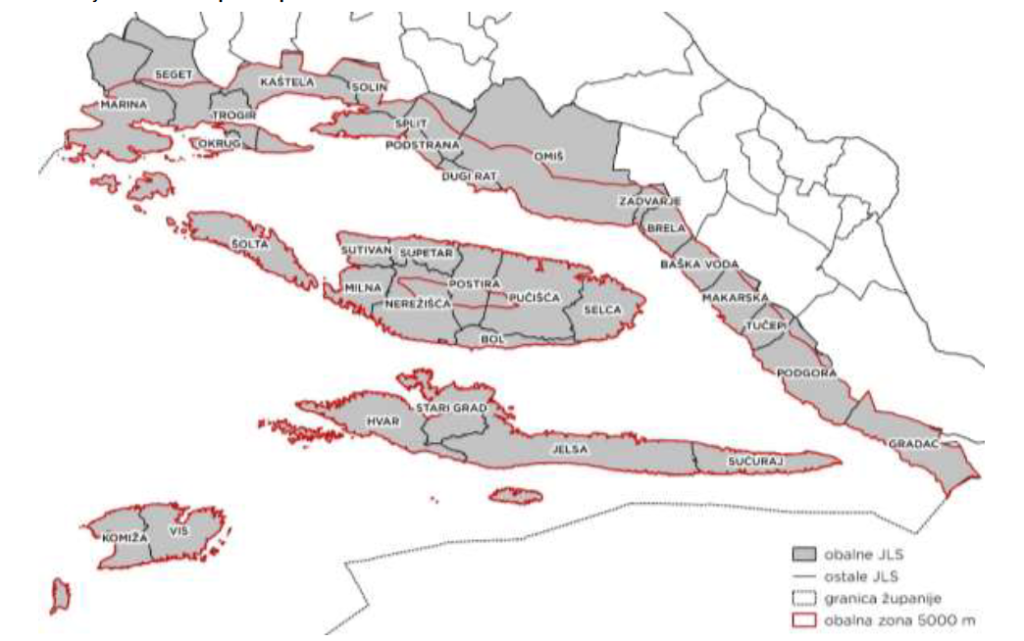
THE COASTAL AREA OF SDZ – in the sense defined by the ICZM Protocol and the Spatial Planning Act, includes the area of 32 local self-government units (11 cities and 21 municipalities) with a coastline, which occupy about 41% of the land surface of SDZ.
Pictures
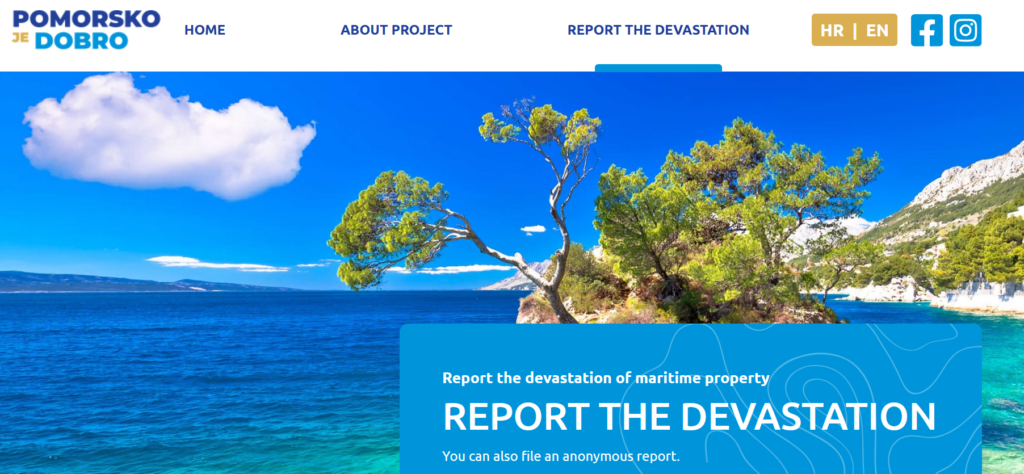
Figure 1: Screenshot of the web page ‘Pomorsko je Dobro’ (‘Maritime domain is public good’). The project aims to encourage citizens and institutions to protect maritime property more actively. As an example of best practice in the category of public relations in regional and local self-government, the portal received the « Grand PRix award for 2020 », the most prestigious award for public relations awarded by the « Croatian Public Relations Association ». ©SDZ
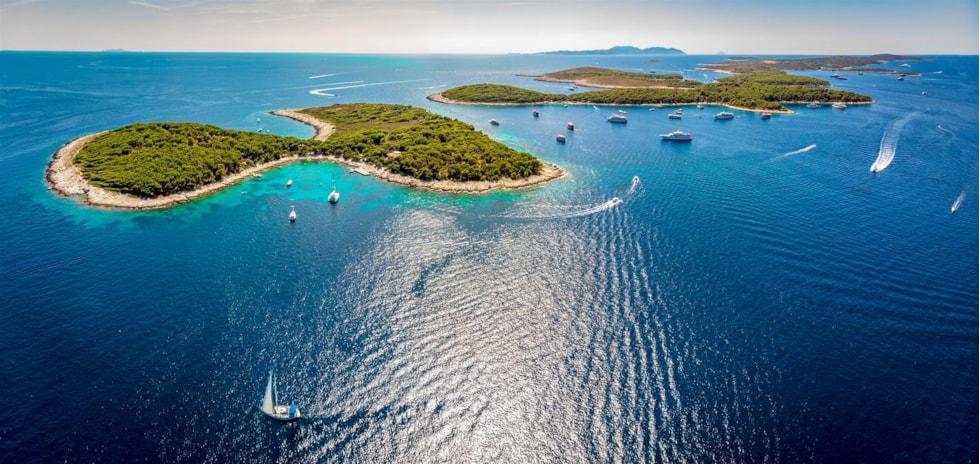
Figure 2: The Paklinski islands are located off the southwest coast of the island of Hvar ©SDZ https://www.dalmacija.hr/Portals/0/EasyGalleryImages/4/1648/Sushi-Drop_3.jpg?w=980
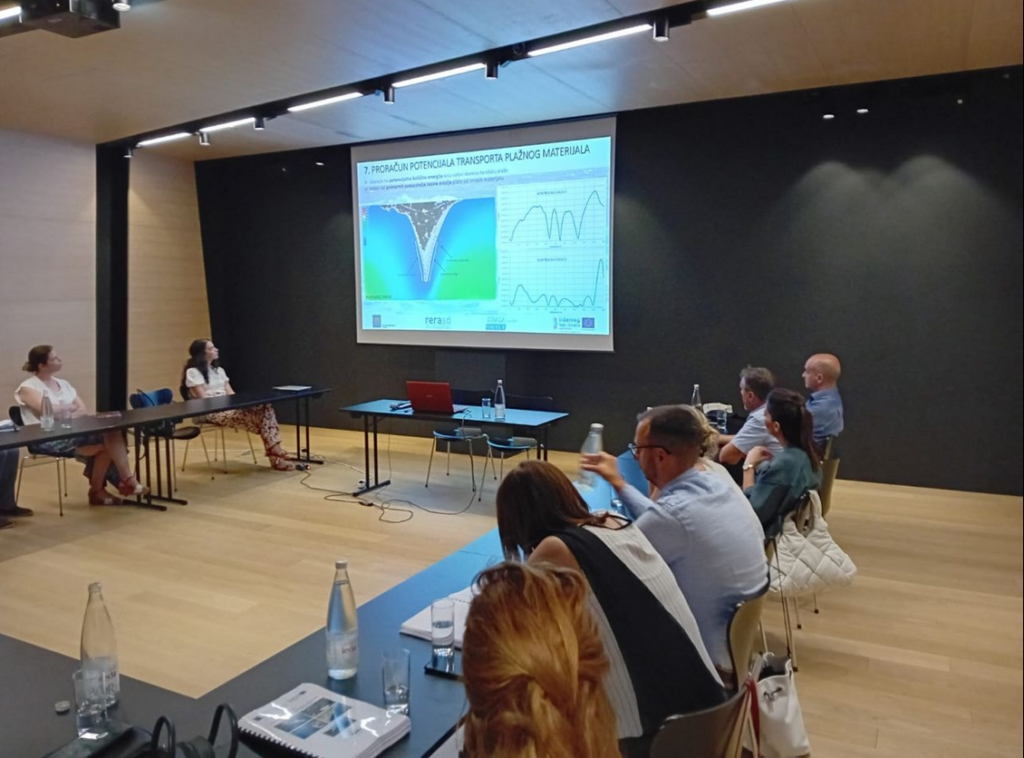
Figure 3: Public Institution RERA S.D. on June 29, 2023, organized the presentation of the Guidelines for Improving the Management of the Marine Environment and the Coastal Area of Split-Dalmatia County regarding Beach Erosion. RERA S.D., decided in cooperation with SDZ, to improve the Coastal Plan SDZ and create these Guidelines. ©Pomorsko je Dobro, SDZ