Geographic context and climate challenges
Albania is situated in southeastern Europe with a population of 2.85 million. The country has one of the largest and richest wetland systems – mainly in the form of coastal lagoons – in the Mediterranean region. Albania as a nation is suffering from the effects of extreme weather events such as flooding, droughts and heat waves, and is faced with increasing temperatures, decreasing precipitation and sea-level rise induced by climate change. Since 2010, floods have devastated regions and cities such as Shkodër, Tiranë, Vlorë and Fieri, and posed a significant threat to Albania’s economy, ecosystems and people’s health. Recurring floods have caused USD 218 million of damage between 1997 and 2017 and have directly affected more than 550,000 inhabitants. According to the European Environment Agency, Albania shows the highest level of drought severity per decade in Europe. The country ranks highest among European countries in terms of exposure and vulnerability to natural hazards and extreme events.
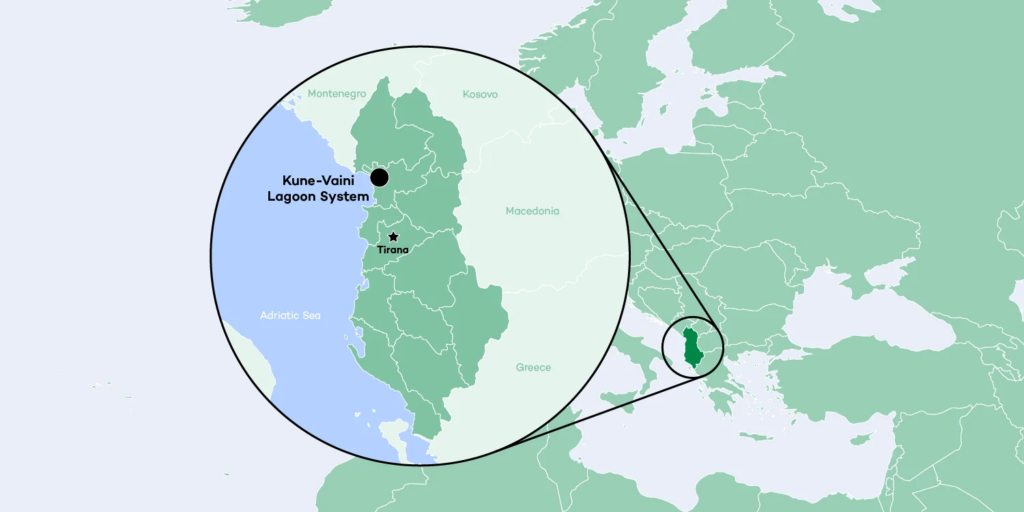
The Kune-Vain lagoon system, covering around 4,000 hectares, located within the Drini River Delta in the Lezha region of Albania, provides a wide range of valuable goods and services to nearby communities. These local communities derive the majority of their incomes from fishing or agriculture and therefore depend on functional, intact ecosystems in the lagoon system for their livelihoods. The Kune-Vain Lagoon system is vulnerable to current and expected climate change impacts, which threaten the ecosystem services that communities rely on, providing food and freshwater to the local communities, and mitigating floods – the lagoon acts as a natural barrier against coastal erosion, protecting towns and villages from flooding. Sea-level rise is leading to increased erosion and saltwater intrusion on people’s farms and aquifers neighbouring the Kune-Vain Lagoon. The degradation of lagoon ecosystems is further compounded by a rapidly growing population, with the associated expansion of agricultural land into the Kune-Vain Lagoon, which reduces its capacity to provide valuable goods and services to the local communities. Finally, the Kune-Vain Lagoon system is a biodiversity wonder, home to around 200 bird species, and an ecological corridor for birds on their migration routes. BirdLife International designated the region an ‘IBA-Important Bird Area’ of global significance.
Objectives
The full name of the project, running 2016-2020, was: Building the resilience of Kune-Vain Lagoon through ecosystem-based adaptation (EbA). EbA is the use of biodiversity and ecosystem services as part of an overall adaptation strategy to help people adapt to the adverse effects of climate change (CBD 2009). To complement EbA, there is a growing recognition of the benefits of Nature-based Solutions (NbS), which refers to projects and actions where natural ecosystems and their services are used in a sustainable and effective way in order to help tackle environmental and social challenges. Under the right circumstances, these solutions can provide alternatives that, compared with traditional infrastructure and engineering projects, are both cost-effective and capable of providing multiple benefits, while at the same time delivering conservation objectives. Different NbS interventions, including in protected areas, have long supported social challenges such as food and water security, disaster risk reduction, and mitigation or adaptation to climate change, while improving sustainable livelihoods and protecting ecosystems, food security and biodiversity. One example of NbS is the buffering capacity of riparian ecosystems, which act as a time and intensity buffer in the event of floods, but also as a filter for runoff waters.
As over 90% disasters in Albania are water-related, ecosystems such as wetlands and lagoons deserve much higher attention within climate change and disaster risk reduction strategies and investments within the country. It was clear that in order to make any EbA upscaling approach nationally acceptable and financially sustainable, a series of “guidance advisories” needed to be produced to help decision-makers to identify preferred interventions for any future project, whether that is a shoreline protection project or a development project within the coastal zone of Albania.
This project was helping climate-vulnerable coastal communities by using EbA – the use of nature and ecosystem services to reduce the impacts of climate change on people. The main approaches included: opening a tidal channel to allow the free circulation of sea water, which regulates the salinity of the lagoon and reduces flooding; and dune rehabilitation to mitigate coastal erosion and reduce habitat loss. As a result, fish stocks and bird species will recover, leading to positive economic benefits for fisheries and ecotourism businesses. The key targets were the reforestation of 2 km of degraded coastal dunes within the Kune-Vain lagoon protected area, the reforestation of 7 ha of riparian forests around Ceka lagoon (part of the Vain lagoon system), and planting of 65,000 seedlings to reduce the negative impacts of climate change on inhabitants.
Adaptation measures implemented in the case
Protection, restoration and management of coastal wetlands
Climate change adaptation through afforestation
Solutions
Albania’s National Adaptation Plan (NAP) sets out a strategic path for reducing vulnerability and accelerating efforts to build climate change resilience. The NAP document was developed in 2015 with a 20-year time horizon to 2035 and is expected to be updated in 2025. The country’s first NAP set out 15 priority actions, including a flagship EbA pilot project to protect the Kune-Vain lagoon system region’s ecosystems and livelihoods. The 40-km² area was recognized as a biodiversity hotspot.
The EbA project aimed to use ecosystems to reduce flood damage, enhance the resilience of local agriculture to flooding, and protect the quality of drinking water against climate change. Building on previous efforts piloted in the region, the project has used three main approaches: dune rehabilitation, reforestation, and an engineering method to open the tidal channel inlet.
- Dune rehabilitation
A thin strip of dunes separates the lagoon from the Adriatic Sea. These dunes were being rapidly eroded by rising sea levels and storms, which were also damaging the breeding sites of bird species. One of the project’s key strategies was planting vegetation that could reduce the wind speed over the dunes and help rebuild sand deposits. The planting activities strengthen the sand dunes against erosion by holding the soil in place, helping to preserve the ecosystem.
The main species chosen for the rehabilitation was a native marram grass (Ammophila arenaria L.)—a perennial plant that can grow in sand and salty soil. The second species used in the restoration was marina (Tamarix parviflora DC.), a shrub-like plant that can reach up to 5 m in height. Through the EbA project, over 65,000 seedlings of the two species were planted in order to rehabilitate 2 km of coastal dunes. Seedling survival rates have varied by area but overall have been positive.
- Reforestation
Recent degradation of Mediterranean species of trees in the Kune-Vaini Lagoon system has affected biodiversity—threatening bird nesting and breeding mammals—as well as losing out on the forests’ benefits for flood resilience and water quality. 7 ha of riparian forests have been reforested with over 14,500 seedlings of climate-resilient species—Aleppo pine (Pinus halepensis), stone pine (Pinus pinea), four-stamen tamarisk (Tamarix tetrandra), ash (Fraxinus excelsior), and English oak (Quercus robur)—were planted across the lagoon, including close to the dwindling entry of the tidal channel. By restoring the vegetation, the project aimed at binding the soil and strengthening the lagoon’s ability to withstand erosion.
By protecting the ecosystem, this replanting aimed at providing a natural “green belt” buffer from storm inundation. Reforestation efforts – planting trees on areas of land that have become empty or spoiled – did encounter some challenges, since some tree saplings grew slowly, and many pines did not survive flooding.
- Opening the Tidal Channel Inlet
Gradually, less and less water has been flowing through the tidal channel that connects the Adriatic Sea and the Kune-Vain Lagoon System. This reduced flow has had multiple negative effects—worsening water quality, increased pollution, harm to bird habitats, and major economic impacts on fish stocks and eco-tourism. A new tidal inlet channel between the Ceka Lagoon and the Adriatic Sea has been constructed and maintained. Though this ‘grey’ measure deviates from a purely EbA approach, the project team chose to make use of an engineering solution: a sand dredger to remove the deposits of sediments from the channel’s bed, and although this is an engineering intervention, its benefits are manifold because they generate a biological abundance throughout Vaini’s ecosystem.
The reconstructed tidal channel between the sea and the Ceka lagoon (part of the Vain lagoon system) restored free circulation of seawater helping to regulate the lagoon’s salinity and build resilience in the region to absorb floods. Local fishers have noticed the multiplying of European sea bass, gilthead sea bream, and fowl. The increase of saltwater intake is also beneficiary to the European eel for its entrance and exit from the lagoon.
In addition to these three core solutions to the lagoon system, several other need to be mentioned:
- The embankment at Shëngjin Island is being raised and maintained to protect adjacent agricultural land and population areas from flooding and storm surges.
- The project was also increasing the capacity of Albania to carry out EbA measures in the future by training at least 30 government staff and 250 local community members on how to implement, monitor, and evaluate EbA strategies.
- A maintenance strategy and an upscaling strategy were developed to sustain the impacts of the project’s EbA interventions.
- Technical guidelines and protocols were produced on the implementation of EbA, and at least 40 national and local staff were trained on the application of these guidelines.
- An awareness-raising campaign was being carried out on the advantages of EbA to increase resilience to climate change, including 2 experience-sharing days on EbA.
- A web-based platform was also developed to share information on the project and EbA: http://kunevain.com/ and at least 6 MSc and PhD students started research projects on various aspects of the project.
However, no single project or action can ensure climate change resilience, due to the scale and severity of climate change. The Albanian government is, therefore, working on new projects to scale up the EbA intervention in the Kune-Vain area and replicate the experience in the Narta and Karavasta lagoons in central and southern Albania through the use of different donors including the Adaptation Fund.
Leader of the initiative and key partners
To respond to climate hazards like the 2010–2011 floods, Albania launched its National Adaptation Plan (NAP) process. Led by the Ministry of Tourism and Environment, the NAP document was developed in 2015 with a 20-year time horizon to 2035 and was submitted to the UNFCCC in 2021 and is expected to be revised in 2025. The “Building the Resilience of Kune-Vain Lagoon through Ecosystem-based Adaptation (EbA)” project was implemented by UN Environment Programme (UNEP) with funding from the Global Environment Facility (GEF), from a Specific Climate Change Fund (SCCF) of USD 1.9 million, co-financed with domestic budget (USD 11.5 million). It was approved for GEF funding in 2013 and implemented from 2016 to 2020, under the project reference number 5386.
Stakeholder participation
This project identified municipal and national stakeholder demands and needs as clearly stated within National Diagnostic Reports, the MTR Analyses, and Project Document. In most cases, meeting these demands requires the development of EbA specific technical solutions to identified problems, and the need for engagement and attitude changing strategies applicable from community to national government levels.
Stakeholder engagement was among the actions of upscaling existing approaches of Kune-Vain lagoon project. Local engagement events were held to discuss possible EbA interventions for several sites on a municipal scale, since many stakeholders suggested that the EbA approach demonstrated at Kune-Vain would be relevant for replication around other lagoon areas in Albania. Replication tools used were demonstration sites, presentations at national, regional and international fora, communication strategies, publications, and community workshops, with a timeframe of 0-2 years, and with a mid-cost of US$1k to US$10k.
The final report of the project concluded that the Government of Albania’s efforts to mainstream climate change adaptation need to be better communicated to stakeholders in other sectors. Limited awareness for climate change at the level of policy-making and public recognition hamper a strong NAP process.
Since the area has been targeted by several projects and also is part of the Albanian Protected Areas network, there has been an active engagement of the stakeholders. The activities that have been implemented in the lagoon has been discussed prior with the different stakeholders that are key actors in the lagoon, e.g. the interventions related to maintain the open inlet with the sea with the fishers that are managing the lagoons from the fishery point of view and the local Administration of Protected Area (RAPA Lezhë). For the reforestation activities, consultation with the academic staff of the Agriculture University and Tirana University related to the most suitable species has been carried out and also discussed with the Lexha municipality and the above-mentioned stakeholders. It is also to be noted that, being a protected area, the activities implemented there are discussed in the regional management committee of protected areas headed by the prefect and having as participants the main institutions of the region.
Success and limiting factors
Success factors are the determination of the Albanian government to tackle the problem of floods as climate hazards that are expected to be regularly hitting one third of country’s coastal areas by 2030, with over 90% disasters in Albania being water-related. More frequent and intense flooding is one of the most serious climate change threats that Albanians face. Such disasters have pushed the Albanian government to respond to climate hazards. Albania launched its National Adaptation Plan (NAP) process, led by the Ministry of Tourism and Environment, and the NAP document was developed in 2015. The country’s first NAP set out 15 priority actions, including a flagship EbA pilot project to protect the Kune-Vain Lagoon region’s ecosystems and livelihoods, among Albania’s first protected areas in the 1940s where communities’ livelihoods rely heavily on the lagoon ecosystem.
Besides the dedication for the coastal adaptation, another success factor is building on previous efforts piloted in the region, which helped the EbA project determine three main solutions: dune rehabilitation, reforestation, and opening of the tidal channel inlet. This pilot project raised awareness of people in the lagoon, built capacity, skills, and knowledge on adaptation among both local communities and national institutions. Finally, an adaptation success factor is the mandate provided by the NAP process to replicate and scale up similar approaches across Albania. These recommendations are outlined in an upscaling strategy developed based on the EbA project (the final document can be found in the section 15 within the sources for more detailed information).
The pressure in Kune Vain’s lagoons has increased dramatically over the last century. The changes in the mouths of the Drin and Gjanica rivers, the opening of drainage channels to avoid flooding in agricultural lands, the construction of hydropower plants and dams to provide water reserves for agriculture, have created major problems in the hydrology and geo-morphology of the area. Coastal erosion is one of the most serious consequences of human intervention in water and sediment balances throughout the catchment area. It should be mentioned as well that human interventions like the deepening of the river mouth and the construction of breakwaters were aimed at reducing the risk of flooding in the surrounding areas that are used for agricultural activity. However, these measures have brought great and severe geo-morphological changes, which are represented by the increase of the land surface in the area of Vain and intense erosion in the area of Kune.
There is a need to harmonize the activities related to the management plan of the protected area with the fishery activities in the area so that can be a more integral management of the lagoon system. Furthermore, the entire Albanian coast in the last decade is under increasing pressure from the touristic industry in providing new touristic facilities but this often is affecting the protected areas and the sensible equilibrium they have.
Costs and benefits
The EbA project in Kune-Vaini Lagoon received a funding from a Specific Climate Change Fund (SCCF) of USD 1,9 million, and it was co-financed with domestic budget of USD 11,5 million. The meeting observation with the Ministry of Tourism and Environment’s Secretary General concluded that it is important to demonstrate the economic value of upscaling wherever possible, particularly within key sectors such as the benefit to tourism, agriculture, water resources, flood defense management and forestry. Mainstreaming the message of how nature-based solutions can provide a cost saving service to Albania is critical. For every US$1 spend on EbA, US$3 of benefits can be attained. This message needs to be better conveyed and possibly be linked to disaster risk reduction.
Regarding future projects, upscaling strategic framework cannot accurately estimate the cost of protecting the coastal zone of Albania. This Strategy does not determine which approach is most suitable for each wetland/lagoon in Albania as that is for the existing Albanian planning to determine. Consequently, this Strategy is unable to determine which interventions will be appropriate, nor do we know the time frame for addressing the problems in different parts of the Albanian coast, so it is not possible to estimate how much the Government of Albania may need to spend each year. In addition, without detailed site-specific analysis, it is not possible to actually estimate the cost of a given intervention. Consequently, this Strategic Framework cannot estimate how much money the Government needs to raise in order to address the climate change challenges that are facing the Albanian coast.
Implementation time and lifetime
Albania’s National Adaptation Plan (NAP) set a strategic path for reducing vulnerability and building climate change resilience in a document developed in 2015, with a 20-year time horizon to 2035. The EbA project in the Kune-Vaini Lagoon was approved for funding by GEF Special Climate Change Fund in 2013, and implemented from 2016 to 2020. The NAP document was submitted to the United Nations Framework Convention on Climate Change (UNFCCC) in 2021.
Keywords
Migratory birds, fishing, dune rehabilitation, reforestation, coastal risk reduction, local eco-tourism
Contacts
UNEP Task Manager: Atifa Kassam, atifa.kassam@un.org
We are thankful to Rezart Kapedani who helped with the preparation of this case study.
Source for more detailed information
Story: How a lagoon became a frontline defence against climate change (28 May 2020) https://www.unep.org/news-and-stories/story/albania-how-lagoon-became-frontline-defence-against-climate-change
NAP Global Network: Protecting Kune-Vain Lagoon, Scaling up ecosystem-based adaptation in Albania’s oasis for migratory birds: https://napglobalnetwork.org/stories/kune-vaini-lagoon-scaling-up-ecosystem-based-adaptation-in-albania/
Main documents from the project: https://www.kunevain.com/documents/#
Final report: Upscaling Strategy – Albania: “Building the Resilience of Kune-Vain Lagoon through Ecosystem-based Adaptation (EbA)” (Special Climate Change Fund) (April 2020): https://www.kunevain.com/wp-content/uploads/2021/03/Final-EbA-Upscaling-Strategy-April-2020.pdf
Short video teaser of the project: Using nature to fight climate change in Albania. https://www.youtube.com/watch?v=ateupQpGGgE
Several video clips provided within this article: https://napglobalnetwork.org/stories/kune-vaini-lagoon-scaling-up-ecosystem-based-adaptation-in-albania/
https://wedocs.unep.org/bitstream/handle/20.500.11822/33499/EbA_Albania.pdf?sequence=1&isAllowed=y
Map
Pictures
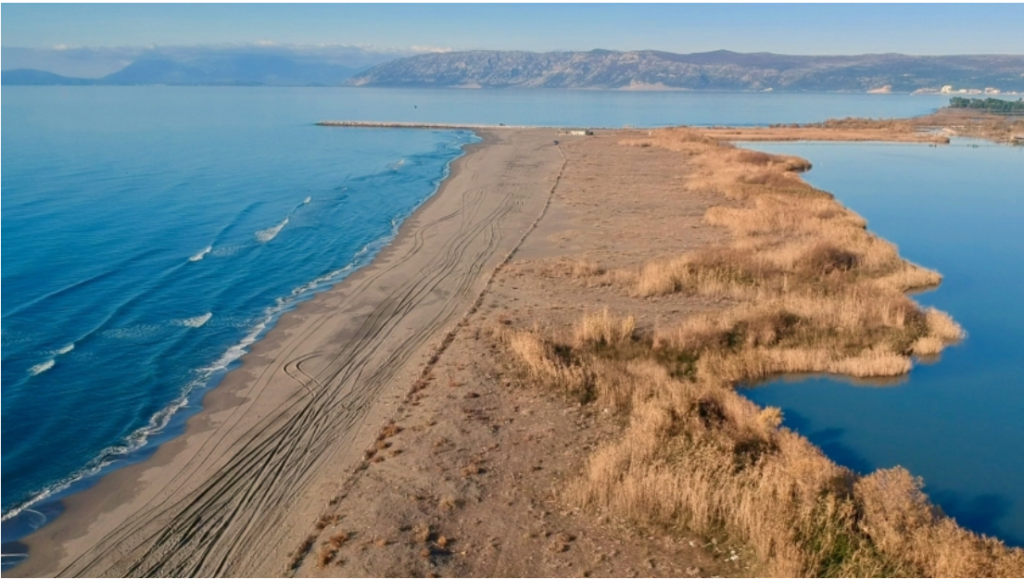
Figure 1: Once this narrow sand dune erodes away, the lagoon (right) will turn to sea (left) and disappear. Photo by UNEP / Marcus Nield (from: https://www.unep.org/news-and-stories/story/albania-how-lagoon-became-frontline-defence-against-climate-change)
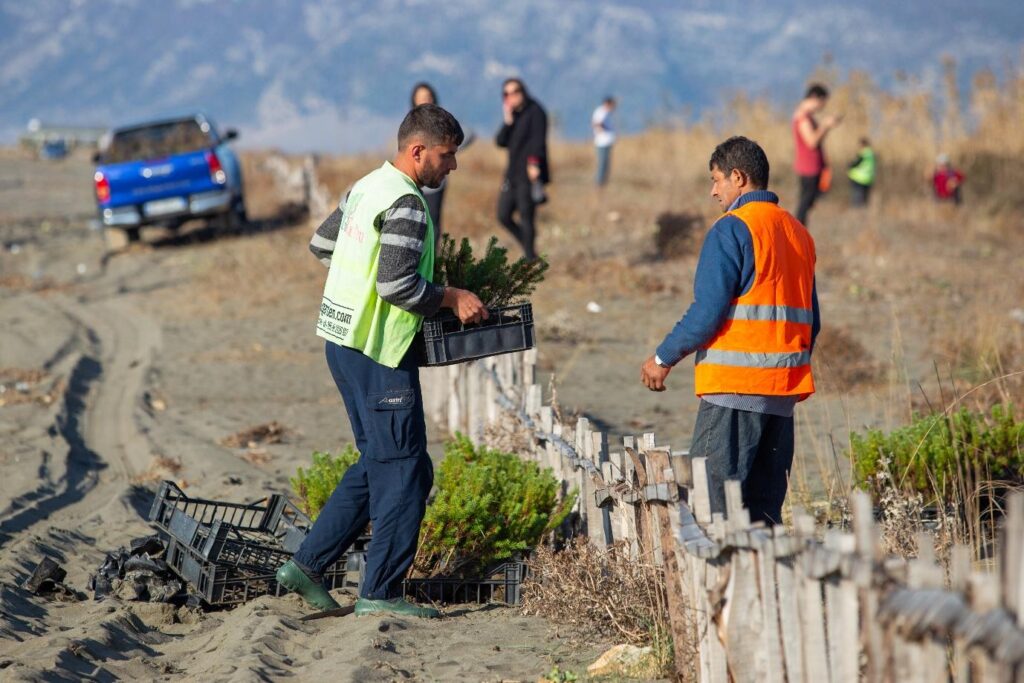
Figure 2: Building the Resilience of Kune-Vaini Lagoon through Ecosystem-based Adaptation (EbA) (©Lisa Murray/UNEP)
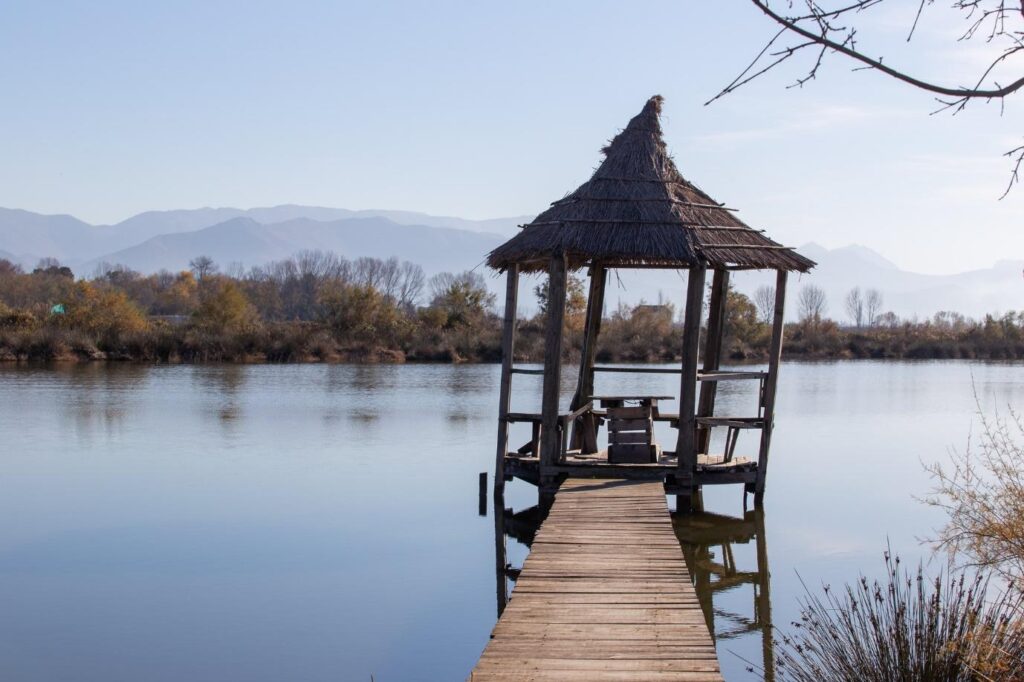
Figure 3: Kune-Vaini Lagoon landscape (©Lisa Murray/UNEP)