


Measures to adapt ports and promenades to climate change, Catalonia, Spain
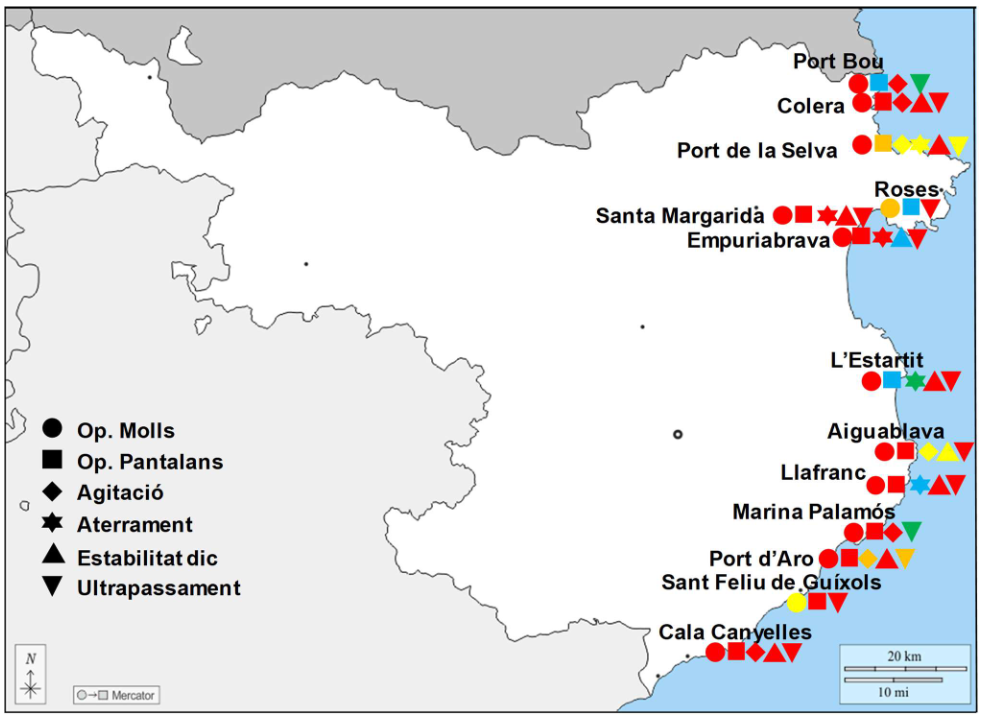
Geographic context and climate challenges The promenades on the Catalan coast with the greatest risk of scouring or overtopping are in the Maresme and in some sections of the Garraf, the Tarragonès and the Baix Ebre stretches. Also, the ports of the northern half of the coast are more exposed to the loss of operability […]
CASAdapt Project: analysing, imagining, coordinating and adapting coastal socio-ecosystems to climate change, Communauté d’Agglomération de Sophia Antipolis (CASA), Région SUD PACA, France
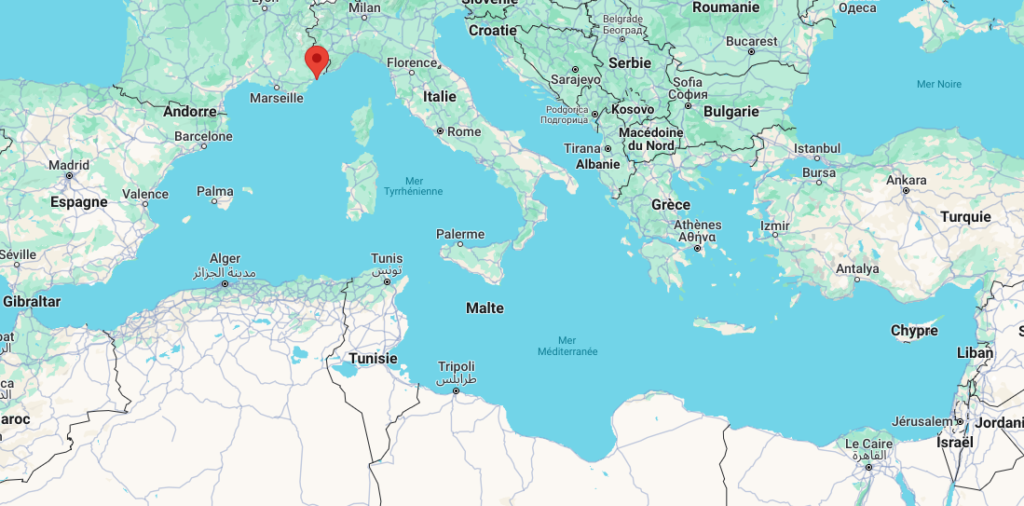
Geographic context and climate challenges The Mediterranean basin, particularly the Provence-Alpes-Côte d’Azur (PACA) region, is highly vulnerable to climate change. Since 1960, the Alpes-Maritimes area has experienced a temperature increase of 1.6°C. Extreme weather events such as heat waves are becoming longer, more intense, and more frequent. The likelihood of centennial floods has doubled and […]
Coastal wetlands of Maristanis, Sardinia, Italy – two transformative projects COAST and SMART GATE.
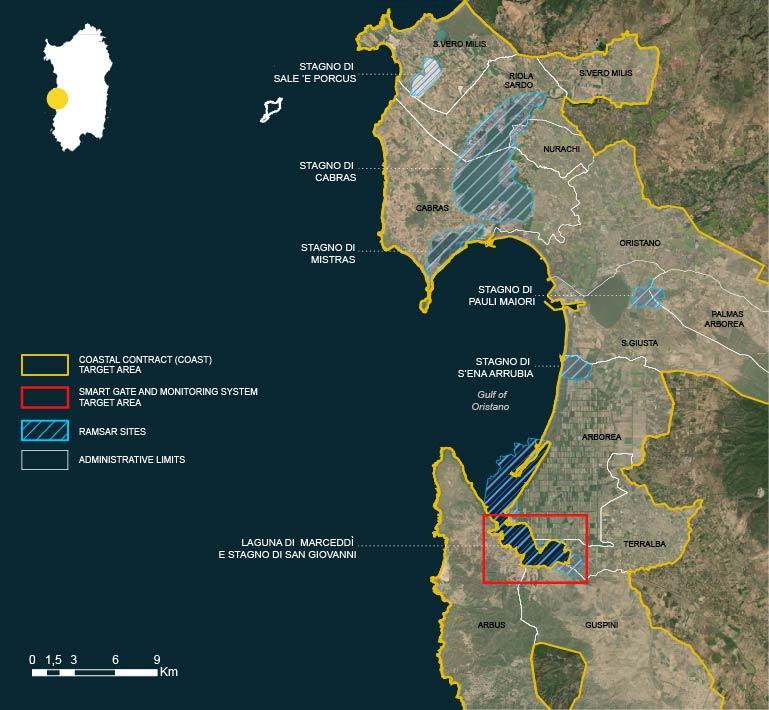
Geographic context and climate challenges The Maristanis project was born with the aim of restoring, protecting and connecting the wetlands of the Oristano Gulf in an integrated system of governance and sustainable development. With their 7,700 hectares, the wetlands stretching from Capu Mannu to the Marceddì lagoon constitute an ecosystem of priceless value recognized by […]
Coastal Plan of Split-Dalmatia County, Croatia
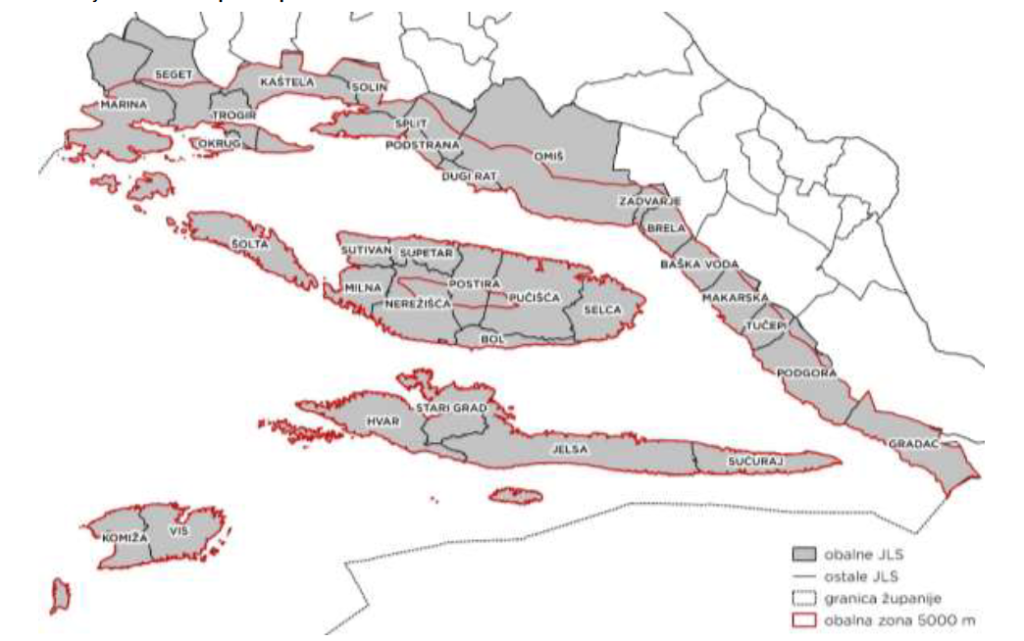
Geographic context and climate challenges Split-Dalmatia County (Županija in Croatian, SDZ) is the largest Croatian county with a total area of 14,106.40 km². Of this total area, a surface of 4,523.64 km² (8% of the Republic of Croatia) is covered by land, and the sea covers a surface area of 9,576.40 km² (30,8% of the […]
Coastal Management Plan for Boka-Kotorska Bay, Montenegro
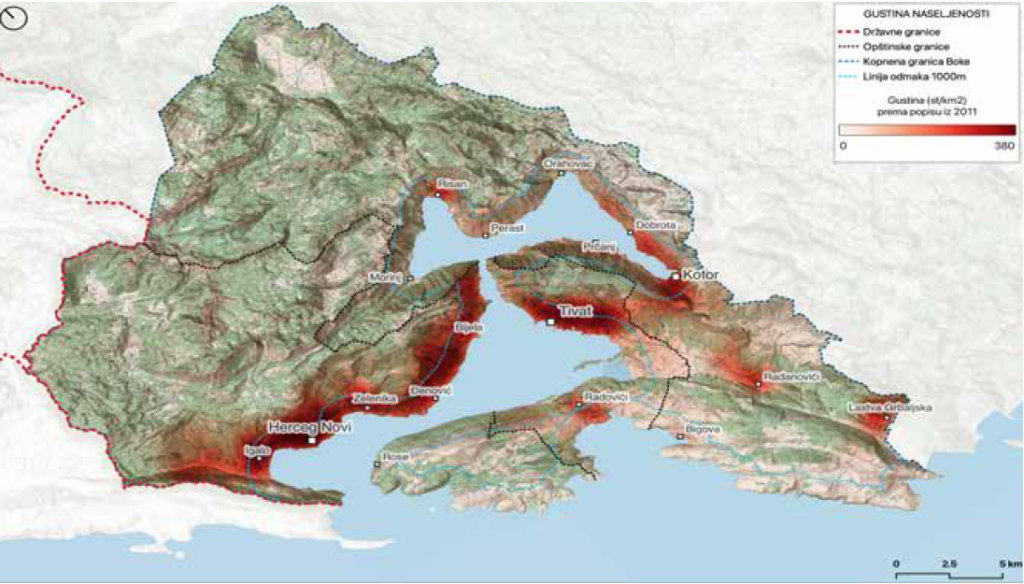
Geographic context and climate challenges The Boka-Kotorska Bay is a unique part of the Adriatic Sea with its specific geomorphological, climatological, hydrological and biotic characteristics. The bay is extremely closed, surrounded by mountains Orjen and Lovćen that “fall” into the sea. In the area of Boka, there are numerous underwater sources such as Škurda, Široka […]
Kune-Vain Lagoon, Albania
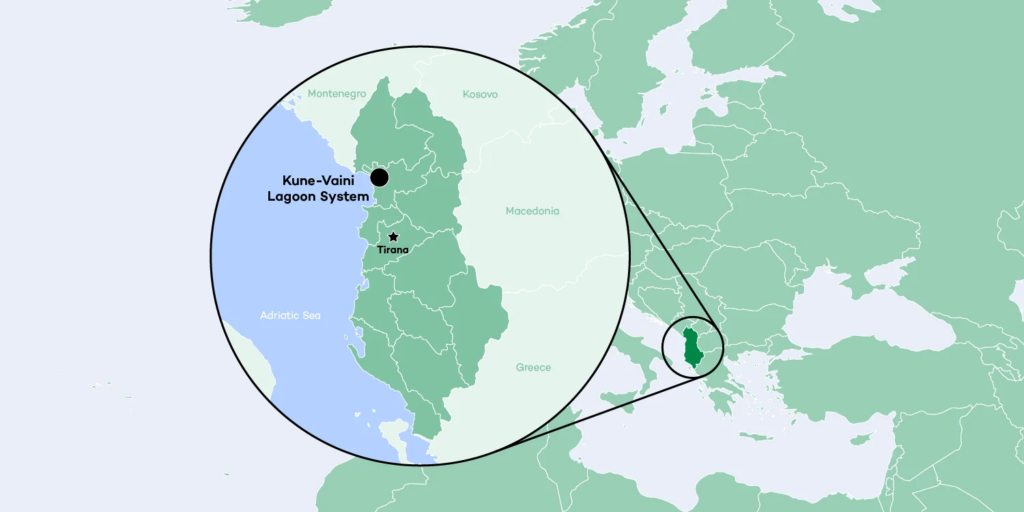
Geographic context and climate challenges Albania is situated in southeastern Europe with a population of 2.85 million. The country has one of the largest and richest wetland systems – mainly in the form of coastal lagoons – in the Mediterranean region. Albania as a nation is suffering from the effects of extreme weather events such […]
Enhancing Climate Change Adaptation in North Coast and Nile Delta in Egypt
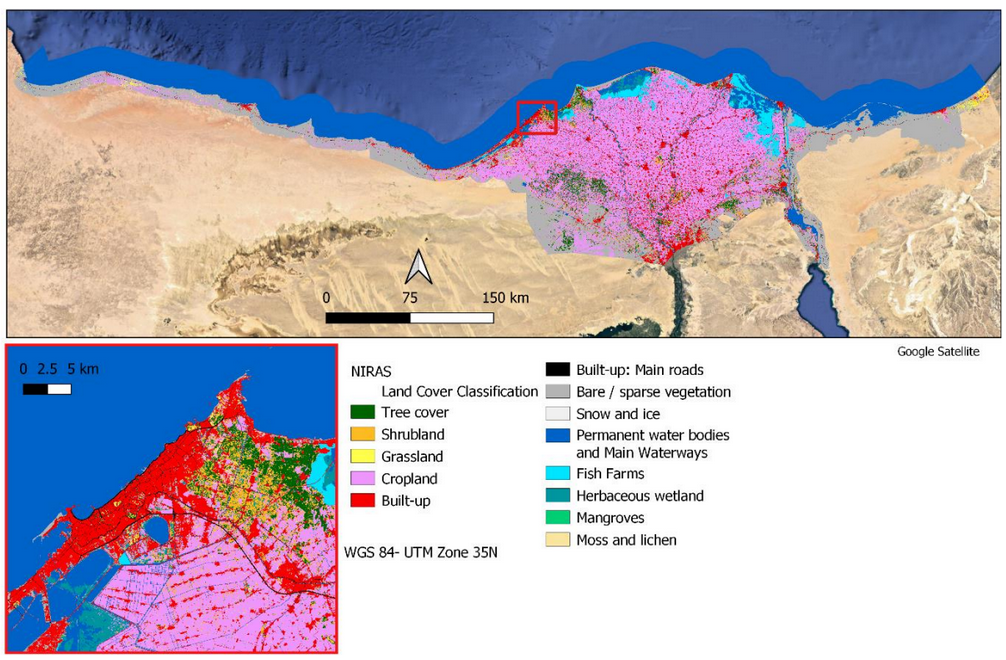
Geographic context and climate challenges This project aims to reduce the risks of coastal flooding in the North Coast and the Nile River Delta region of Egypt, especially in the five most vulnerable and endangered hotspots within the Nile Delta with a length of 69 km, which were identified during the engineering scoping study and […]
Ecological rehabilitation of the dune belt of the Béni-Belaid Nature Reserve (Jijel, Algeria)
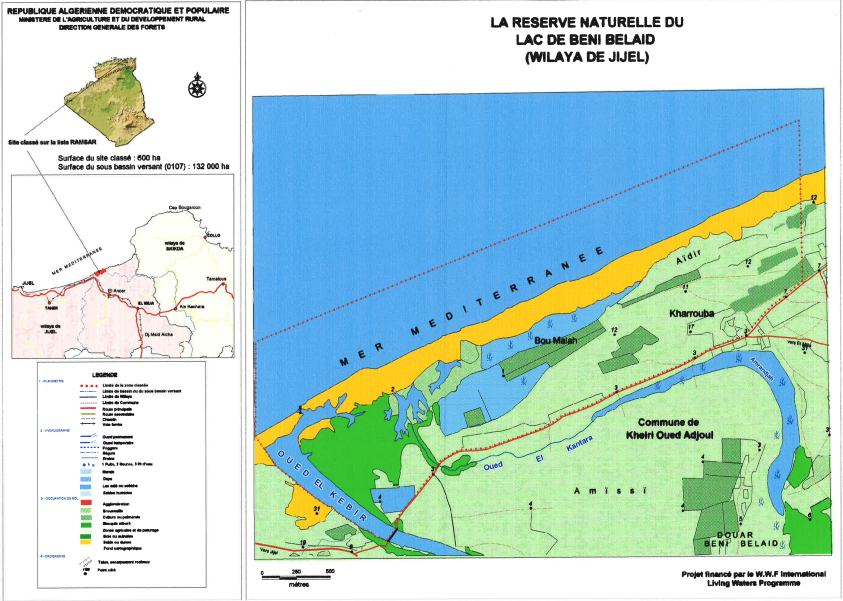
Geographic context and climate challenges In Algeria, wetlands are primarily located in the northeastern part of the country, near the Mediterranean coast (Bouldjedri et al., 2011). The geographical position of northern Algeria, at the interface of European, Atlantic, Mediterranean, and tropical regions, grants it the status of a migratory crossroads for a diversity of fauna […]
Coastal Plan Tangier-Tetouan-Al Hoceima (TTA) region, Morocco

Geographic context and climate challenges With some 447 km of coastline stretching along the Atlantic, the Strait of Gibraltar and the Mediterranean coast, the coastline of the Tangier-Tetouan-Al Hoceima (TTA) region boasts a unique geographical position, geomorphological structure and biological diversity (Agharroud et al., 2023). Overall, the TTA region benefits from a Mediterranean-type climate with […]
Restoration of the dune belt in the south of the Bevano river mouth (Lido di Classe, Ravenna, Italy)
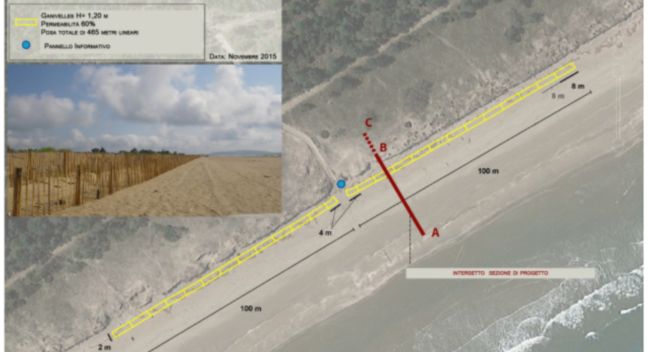
Geographical context and climate challenges The site is located in the south of the Bevano river mouth, between an integral protected area, where access by unauthorized persons is forbidden all year round, and an intermediate protection zone, forbidden for access from April to July during the nesting period of the Kentish Plover (Charadrius alexandrinus). The […]